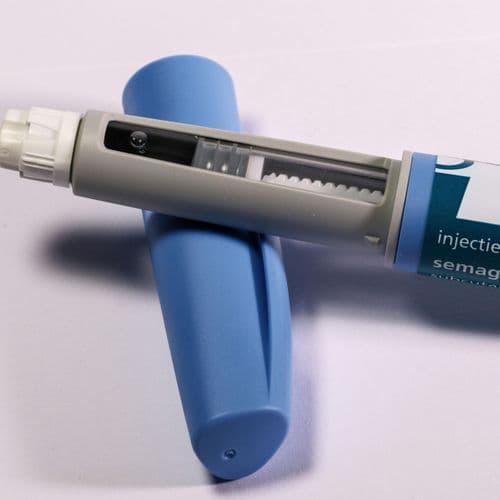
Semaglutide’s Heart Benefits May Extend Beyond Weight Loss
Researchers found only half of semaglutide’s 20% drop in serious cardiovascular events was tied to weight and other measured risk factors.
7 Articles
7 Articles

It is known that semaglutide reduces the risk of severe heart disease; however, a new expert study from the University of Edinburgh (UK) published suggests that this effect cannot be fully explained by the weight loss patients experience when taking the drug. Researchers, who have published in ... Continue reading "Beyond weight loss: weight loss drugs reduce heart disease"

Semaglutide is improving the heart health of millions—but how? Experts are stumped
<p>“Our analyses could not fully ascribe the effects of semaglutide on cardiovascular disease to known risk factors with any certainty,” one researcher said after exploring years of data. "These results suggest that semaglutide should be considered as a cardiovascular disease reduction drug and not just as a weight loss drug," </p>

Semaglutide’s heart benefits may extend beyond weight loss
Semaglutide is known to reduce the risk of serious heart disease. However, a new study published in the European Heart Journal today (Thursday) suggests that this effect cannot not be entirely explained by patients losing weight on the drug.

Weight loss alone does not explain lower heart disease risk for those on semaglutide
Semaglutide is known to reduce the risk of serious heart disease. However, a new study published in the European Heart Journal suggests that this effect cannot be entirely explained by patients losing weight on the drug.

The SELECT trial shows that semaglutide reduces cardiovascular episodes by 20%, but only 31 % of this effect is explained by thinning. La entrada Goodbye to myth: Ozempic semaglutide protects the heart without thinning aparece primero en Moncloa.

Is Weight Loss Also Heart Care? What Cardiologists Want Patients to Know About the Obesity-Heart Connection
The conversation about obesity in cardiology clinics has changed significantly over the past decade. Where it was once framed primarily as a lifestyle observation, it is now understood as a direct clinical intervention. Source link
Coverage Details
Bias Distribution
- 75% of the sources are Center


Factuality
To view factuality data please Upgrade to Premium