Study: One in Six Children on GLP-1 Drugs Developed Nutritional Deficiencies
Researchers found one in six children on GLP-1 drugs developed a nutritional deficiency within a year, with vitamin D deficiency the most common.
- A new study from Ann and Robert Lurie Children Hospital of Chicago links GLP-1 medications to nutritional deficiencies in children, presenting potential risks during a critical developmental stage.
- Researchers identified more than 2,000 GLP-1 users ages 10 to 17, finding that one in six children developed a nutritional deficiency within a year of starting treatment.
- Nearly 80% of participants used Victoza or Saxenda, while vitamin D deficiency was the most common condition, affecting 12.4% of children in the study.
- Senior author Justin Ryder, PhD, Vice Chair of Research, stated that "nutrients such as vitamin D, iron and calcium are of particular concern during adolescence, when deficiencies may have lasting implications for skeletal health."
- Ryder emphasized the need for proactive nutritional management, noting "knowing the risks, we are in a much better position to prevent harm to children treated with GLP-1s during a pivotal period in their lives.
11 Articles
11 Articles


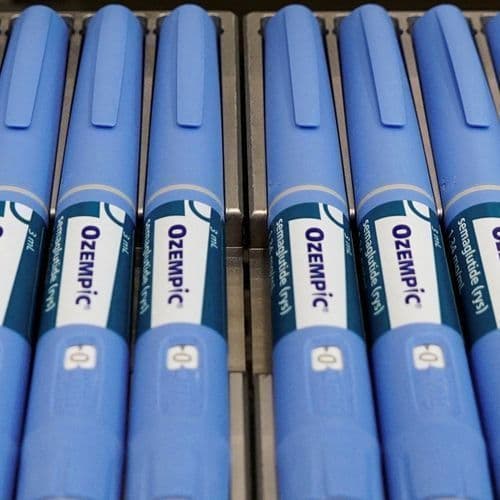
Children who take GLP-1 medications (such as Victoza, Saxenda, Trulicity, and Ozempic) for weight loss, prediabetes, or type 2 diabetes may face.

Nearly 1 in 6 Kids on GLP-1 Weight-Loss Drugs Developed a Nutritional Deficiency Within a Year, Study Finds
A study of about 2,000 children taking GLP-1 medications found 17% developed a nutritional deficiency or related complication within a year, while few received early dietary counselling.

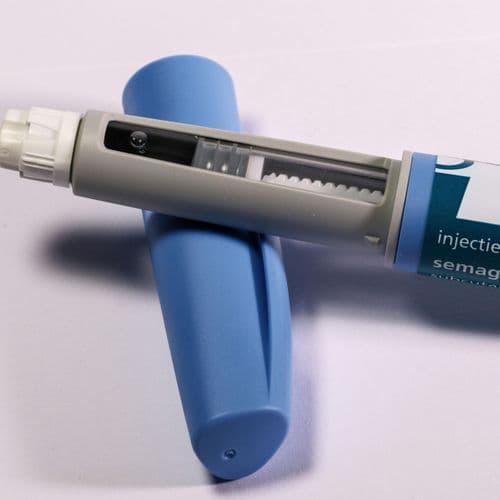
Drugs like Ozempic or Wegovy, i.e. GLP-1-based drugs, have fundamentally changed how obesity is treated. They have been shown all over the world to be able to significantly reduce weight in people who are not helped by any other methods. And they have also been used to treat children for several years. However, a new American study shows that doctors should start paying more attention to children.
Coverage Details
Bias Distribution
- 100% of the sources are Center


Factuality
To view factuality data please Upgrade to Premium