Published • loading... • Updated
Tropical Storm Gonzalo Forms in Atlantic
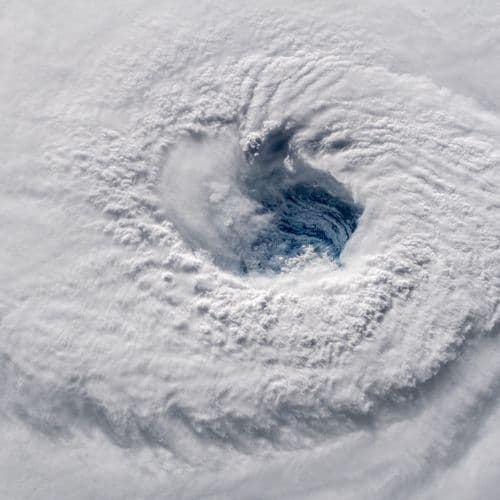
Forecasters said 1-3 inches of rain and tropical-storm-force winds could hit the islands as Gonzalo weakens later this weekend.
- On Friday, Tropical Storm Gonzalo continued moving north-northwest near the Cabo Verde Islands with maximum sustained winds of 50 mph, becoming the seventh named storm of the 2026 Atlantic hurricane season.
- Despite passing the climatological peak on September 10, the Atlantic basin has yet to produce a hurricane, remaining unusually quiet compared to the hyperactive Pacific basin activity.
- A tropical storm warning remains in effect for the Cabo Verde islands; meanwhile, Tropical Storm Fay continues through the Central Atlantic, posing no immediate threat to land.
- Models indicate Gonzalo will likely dissipate while lifting north through the eastern Atlantic, as increasing wind shear and dry air prevent the storm from reaching the 74-mph hurricane threshold.
- National Hurricane Center advisories indicate no additional tropical systems are expected to form across the Atlantic, Caribbean, or Gulf during the next seven days, keeping the hurricane tally at zero through September.
Insights by Ground AI
24 Articles
24 Articles

Tropical Storm Gonzalo to soak Cabo Verde before weakening amid historically quiet Atlantic hurricane season
Tropical Storm Gonzalo has strengthened after forming late Thursday off the coast of Africa, just the 7th named storm in the Atlantic Basin, amid the slowest start to hurricane season in the satellite era (since 1966) as hostile El Niño-driven winds have dominated much of the basin.
·New York, United States
Read Full Article
 Hanford Sentinel
+3 Reposted by 3 other sources


Tropical Storm Gonzalo forms joining TS Fay in Atlantic, NHC says
ORLANDO, Fla. — Tropical Storm Gonzalo formed late Thursday to become the seventh named storm of the 2026 Atlantic hurricane season, although still one that has yet to produce a hurricane. It joined Tropical Storm Fay in the distant Atlantic,…
 Observador
Reposted by  Noticias ao Minuto
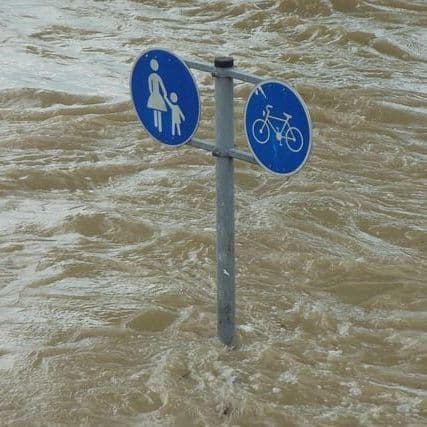
Noticias ao MinutoThe island of Sal, in Cape Verde, is being affected by a tropical storm. The heavy rain and the gusts of wind caused the fall of trees, power cuts and the rise of sea level.
·Lisboa, Portugal
Read Full Article


Coverage Details
Total News Sources24
Leaning Left4Leaning Right4Center13Last UpdatedBias Distribution62% Center
Bias Distribution
- 62% of the sources are Center
62% Center
L 19%
C 62%
R 19%


Factuality
To view factuality data please Upgrade to Premium