Published • loading... • Updated
Some U.S. States Will Be Able to See Partial Solar Eclipse This Week: What to Know
NASA says six planets will line up before sunrise, while the new moon will darken the sky for the Perseid meteor shower.
- On Aug. 12, four celestial events will occur in one day: a Six planet alignment, a partial solar eclipse, a new moon, and the Perseid meteor shower peak, according to NASA.
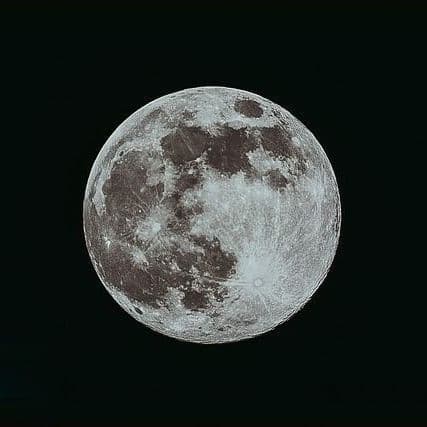
- The new moon will make the night sky "ideally dark," per NASA, allowing celestial events to be viewed without competing moonlight interference.
- Across 26 states and Washington DC, residents can view the partial solar eclipse, though NASA warns observers must use proper eclipse glasses to avoid serious eye injury.
- NASA considers the Perseid meteor shower the "best meteor shower of the year," and it will reach its peak on Aug. 12, producing between 50 and 100 meteors in one night.
- Beginning Aug. 14, Venus will reach its "widest apparent separation from the Sun" and outshine surrounding stars, according to NASA, extending the week's celestial showcase.
Insights by Ground AI
Podcasts & Opinions
80 Articles
80 Articles


Coverage Details
Total News Sources80
Leaning Left6Leaning Right1Center68Last UpdatedBias Distribution91% Center
Bias Distribution
- 91% of the sources are Center
91% Center
C 91%


Factuality
To view factuality data please Upgrade to Premium