Published • loading... • Updated
Partial Solar Eclipse Headed for Canadian Skies. Here’s What You Need to Know.
UPEI staff will set up telescopes and provide eclipse glasses as the moon blocks about a third of the sun at peak.
- On Wednesday, the University of Prince Edward Island hosted a public viewing for a partial solar eclipse, with physics lab technician Megan Glover setting up telescopes between Memorial and Dalton halls from 2 to 4 p.m.
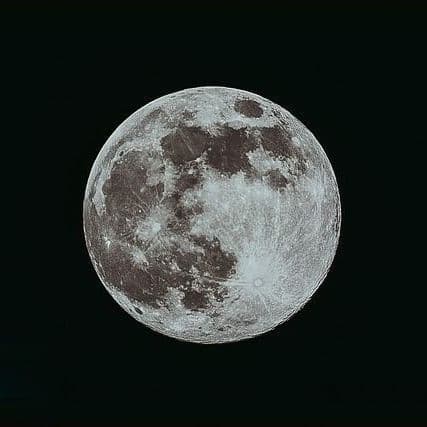
- A solar eclipse occurs when the moon moves directly between the Earth and the sun, partially obscuring the sun's rays. Earth's only natural satellite creates this event by blocking about a third of the sun at peak time.
- Attendees at UPEI's observatory viewed "the photosphere of the sun" through specialized telescopes. Glover advised using certified eclipse glasses, cautioning that "damage to your eyes can occur in seconds" without proper protection.
- CBC meteorologist Jay Scotland reported that cloudy periods during Wednesday morning cleared in the afternoon, allowing viewers to see the partial solar eclipse. Maximum coverage occurred at 2:57 p.m.
- The Perseid meteor shower peaks Wednesday night and Thursday morning, extending the week's celestial activity. While Newfoundland and Labrador will experience four partial solar eclipses by 2033, the next total solar eclipse won't reach the island until July 17, 2205.
Insights by Ground AI
13 Articles
13 Articles


Coverage Details
Total News Sources13
Leaning Left1Leaning Right1Center7Last UpdatedBias Distribution78% Center
Bias Distribution
- 78% of the sources are Center
78% Center
11%
C 78%
11%


Factuality
To view factuality data please Upgrade to Premium