Satellite captured glacier crack days before disaster
- On Tuesday, Chinese rescuers, officials, and residents held memorial services in Gyirong, Tibet, for victims of the deadly flash flood. Participants observed silence at the Xigaze Public Security Bureau branch and rescue sites, Xinhua reported.
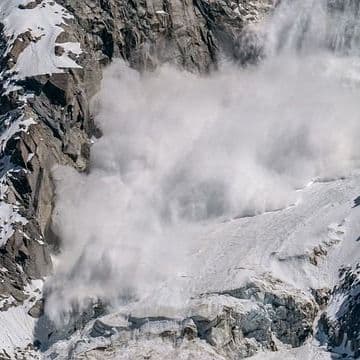
- An ice-rock avalanche triggered the massive flash flood on Aug 26, causing widespread destruction. The Tibetan provincial government reported 16 deaths and 546 people missing in the region.
- Including at least 987 deaths in Nepal, the disaster's total death toll has surpassed 1,000. Authorities report around 4,000 people remain missing, including 261 foreign nationals and 49 Indians.
- Rescuers were "working round the clock" on Tuesday to reopen a major highway damaged by the mudslide. This disruption hampered efforts to deliver emergency supplies to the Gyirong Port border post.
- China is expected to send a second batch of relief resources to Nepal on Tuesday, including drones and DNA testing equipment. Spokesman Guo Jiakun stated China will "firmly stand with Nepal.
14 Articles
14 Articles


The Gyirong border crossing was completely destroyed after seven minutes. The entire path of the flood took about ten hours. SVT Verifier has reconstructed the path of the flood wave through Nepal and China using satellite images and geolocated clips from the ground.

Memorial services held in Gyirong for victims of deadly mudslide
Memorial services were held Tuesday morning in Gyirong County, southwest China's Xizang Autonomous Region, to mourn the victims of the August 26 mudslide, which caused heavy casualties and left many people missing.

Psychological support aiding Gyirong victims
Doctors providing psychological support and traditional Tibetan therapies at a temporary shelter in Gyirong town are helping evacuees cope with fear and sleep problems following the severe mudslide that hit Gyirong Port on Wednesday. They are also continuing health screenings for elderly people and children.


Coverage Details
Bias Distribution
- 38% of the sources lean Left, 37% of the sources lean Right


Factuality
To view factuality data please Upgrade to Premium