Prostate Cancer Genomic Analysis Links Mutational Footprints to Clinical Outcomes
Researchers identified eight mutational footprints in nearly 1,000 tumors, and four were linked to faster spread and could help guide treatment choices.
- Researchers from University in Copenhagen, along with OICR and BRIC, identified eight genetic fingerprints in Nature that account for 85 per cent of Prostate Cancer cases, helping track disease development and identify patients at high risk of aggressive Prostate Cancer.
- DNA replication errors and hormone pathways drive these mutations, creating clinical outcomes from indolent to lethal; these IMFs offer a new way to understand the underlying biology that causes Prostate Cancer to progress differently.
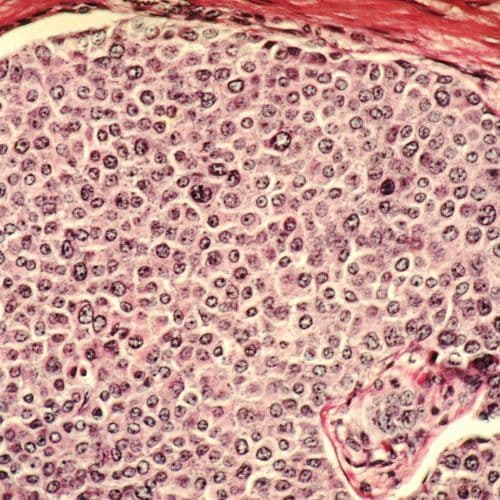
- Analyzing 959 Prostate Cancer tumor samples, the team found four IMFs present in 37% of primary tumors significantly associated with shorter time to metastasis, explaining the mutational processes behind the disease's clinical heterogeneity.
- Joachim Weischenfeldt said the eight signatures may help doctors determine if patients respond to chemotherapy, adding, "Our goal is to tailor treatment to each individual patient's disease," using existing sequencing technologies.
- Weischenfeldt noted that more extensive prospective studies are warranted to validate these findings for clinical use, explaining, "It is a bit like a crime scene," regarding how genetic signatures reveal the processes causing the disease.
14 Articles
14 Articles


Unlike other cancers, this study highlights the absence of traces due to external factors, such as tobacco, suggesting that the damage comes mostly from internal biological mechanisms.

New genetic map helps track aggressive prostate cancer development
Prostate cancer is the second most common form of cancer among men globally. Yet, we still know relatively little about why the disease develops or why some men live with it for years while in others it progresses aggressively.


Madrid, 9 Sep (EFE).- An international team of researchers has managed to identify eight faulty cellular processes that explain the genetic damage responsible for 85 percent of prostate cancer cases. The work, which has been coordinated by researchers from the Spanish National Center for Oncological Research (CNIO) has been based on analysis [...] The entry Scientists discover the processes that damage DNA in most prostate cancers was first publ…


Coverage Details
Bias Distribution
- 50% of the sources are Center


Factuality
To view factuality data please Upgrade to Premium