Nepal Floods: DNA Testing Offers Last Hope to Families Searching for Missing Loved Ones
- India opened forensic laboratories and deployed a 19-member forensic team to Nepal to expedite DNA identification of flood victims, addressing the needs of more than 1,270 killed and 4,700 still missing.
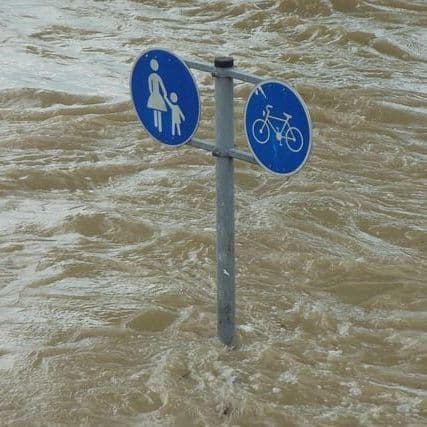
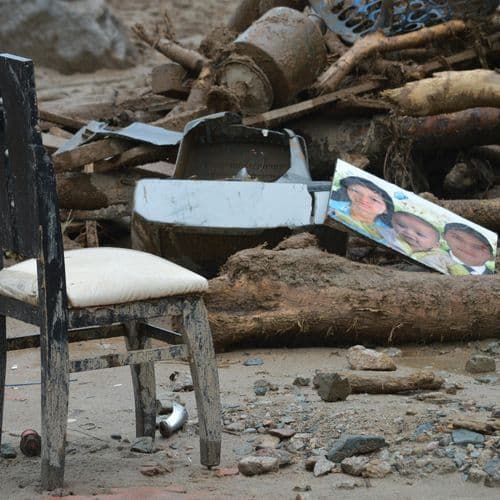
- Glacial collapse near the Langtang Lirung mountain peak triggered devastating flash floods that left morgues overflowing with bodies in states of decomposition, necessitating advanced DNA forensic methods.
- When visual inspection fails due to decomposition, DNA comparison serves as a primary identification method. "DNA degrades, too, and circumstances set the decisions," said molecular biologist Kerstin Montelius, noting profiles can be generated from bone and tissue.
- First-Degree relatives in India can submit blood samples at designated Central Forensic Science Laboratories and National Forensic Sciences University facilities, with the Embassy of India in Kathmandu coordinating via helpline +977 9841 6160 95.
- China has also sent a second contingent of DNA experts and emergency relief supplies to support recovery efforts. While search teams have rescued more than 12,000 people, roughly 5,000 remain missing as operations continue.
30 Articles
30 Articles


Nepal floods: DNA testing offers last hope to families searching for missing loved ones
The case reflects a much larger challenge facing Nepal, where authorities are relying on DNA testing to identify hundreds of bodies recovered after the August 26 floods and help families find relatives who remain missing
 The Canberra Times


Families beg for answers on loved ones missing in Nepal
Family members of Australians still missing in Nepal are seeking answers as search efforts continue.


Security forces collect DNA samples and coordinate rescue deployment in Rasuwa after saving more than 8,000 people.

India offers DNA profiling services for Nepal flood victims' kin
India's Ministry of External Affairs announced that central and state forensic laboratories will provide DNA profiling services for first-degree relatives in India to help identify victims of the recent Nepal flash floods. This initiative supports Nepal's ongoing identification process, with specific guidelines for sample collection and submission of DNA profiles to Nepali authorities.

Coverage Details
Bias Distribution
- 46% of the sources lean Left


Factuality
To view factuality data please Upgrade to Premium