Published • loading... • Updated
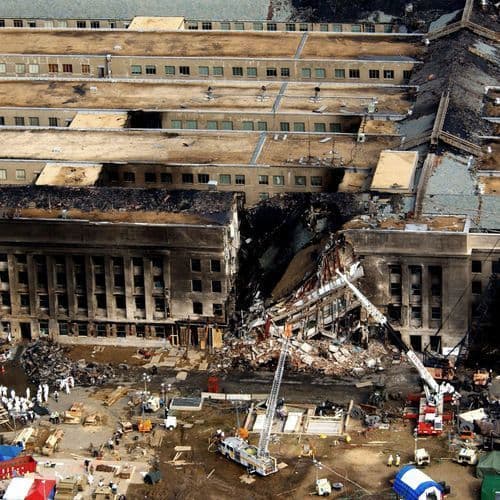
‘Consequences we live with’: How 9/11 changed Canada’s approach to national security
Canada spent $7.7 billion on security and passed anti-terror laws that expanded policing powers and drew civil liberties criticism.
- Twenty-Five years after the 9/11 terrorist attacks, Canada reflects on profound shifts in security policy, border regulations, and civil liberties that fundamentally transformed daily life for citizens.
- Foreign Minister John Manley and Homeland Security Director Tom Ridge signed the Smart Border Declaration in October 2001, backed by $7.7 billion in government funding allocated to enhance security over five years.
- Canada's new Anti-Terrorism Act allowed police to make 'preventive arrests' of suspected plotters, though critics argued the association of terrorism with Islam led to racial profiling of entire communities.
- Investigations revealed significant errors when a federal inquiry led by Justice Dennis O'Connor concluded faulty RCMP information likely led to Syrian-born Canadian Maher Arar's yearlong ordeal in a Damascus prison.
- Manley observed that 9/11 perpetrators 'succeeded beyond their wildest imaginations' by costing the developed world significant resources, a legacy experts say persists in modern security choices and domestic antagonism.
Insights by Ground AI
22 Articles
22 Articles


Coverage Details
Total News Sources22
Leaning Left13Leaning Right0Center7Last UpdatedBias Distribution65% Left
Bias Distribution
- 65% of the sources lean Left
65% Left
L 65%
C 35%


Factuality
To view factuality data please Upgrade to Premium