
Trump-Linked No Going Back PAC Spends $21 Million in Midterm Races
United States
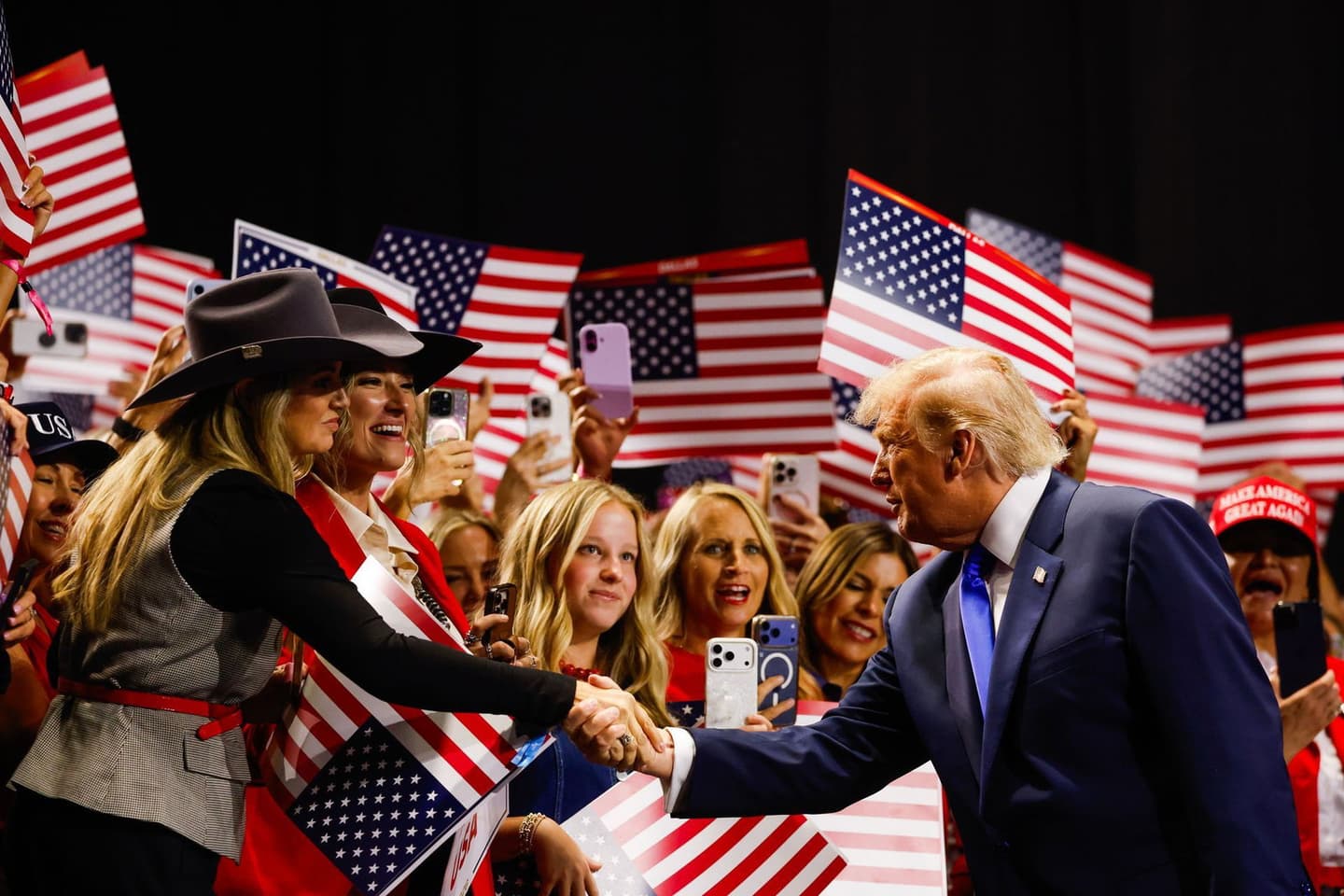
Justin Sullivan/Getty Images/Getty
Source Analysis



What Happened
What Happened
Where Left Sources Focus
- Critique of Ad Accuracy: Left-leaning outlets emphasize critical analysis of PAC advertisements, detailing how claims regarding Democratic candidates' records—such as Medicaid cuts and criminal settlements—are often factually inaccurate. They cite fact-checkers and policy analyses to refute specific accusations made against candidates like Chris Pappas and Roy Cooper.
- Political Vulnerability Assessment: Progressive reporting frames the PAC’s spending as a defensive reaction to Trump’s low approval ratings and struggling Republican candidates. Analysts featured in these outlets describe the financial mobilization as a desperate attempt to nationalize a midterm election where the party faces significant political headwinds.
Where Center Sources Focus
- Spending Scale and Logistics: Center-leaning coverage focuses on the logistical scale of the spending, reporting that the newly registered No Going Back PAC has booked $21 million in initial expenditures. These sources detail the PAC’s structural ties to MAGA Inc., noting shared leadership and infrastructure as central to the financial campaign.
- Targeted Midterm Map: Center reporting tracks the specific allocation of funds across the competitive midterm map, highlighting aggressive spending in Senate and House races in Ohio, Michigan, and Colorado. These outlets utilize FEC data to map how the Trump operation is deploying resources to protect GOP majorities.
What's Largely Absent from Each Side
- Left sources rarely mention: Left-leaning sources largely omit the strategic rationale provided by the Trump campaign, specifically the optimism from top advisers regarding midterm paths. Center-leaning outlets feature these internal viewpoints, where advisers like James Blair discuss efforts to retain congressional majorities despite broader political headwinds.
- Center sources rarely mention: Center sources rarely provide specific fact-checking or debunking of the disputed claims found in the PAC's political advertisements. Left-leaning outlets feature detailed examinations of these ads, citing policy experts to challenge claims regarding Medicaid funding and criminal settlement records that go unexamined in neutral reporting.
Rare Agreement
- Unprecedented Financial Mobilization: Despite divergent coverage patterns, sources across the spectrum agree that Trump’s operation has launched an unprecedented financial mobilization, with the PAC structurally linked to MAGA Inc. and targeting competitive midterm races with over $138 million in planned spending.
Timeline
September 15, 2026
Massive ad reservations and coordination: By mid-September the Trump-linked operation and its new pop-up super PACs had booked vast ad inventories — No Going Back and sister groups were slated to spend across dozens of races (AdImpact and New York Times data put ad reservations in the tens of millions), and the three Trump-linked groups together were reported to have reserved nearly $138 million in ads, mail and texts over a recent 10-day span. This signaled a major escalation of coordinated midterm spending tied to MAGA Inc. and its affiliates.
September 12, 2026
Targeted state-by-state expenditures: Financial disclosures filed Sept. 10-12 show No Going Back dropped millions in key states — roughly $6.7 million in Ohio, $3.7 million in Michigan, $1.7 million in New Hampshire and $779,000 in Georgia — while MAGA Inc. had already sent $10 million to Texas; the operation also reported direct contributions and targeted local spending (including $444,000 attacking Jessica Killin and about $450,000 to benefit Jeff Crank).
September 12, 2026
FEC filing shows $21M spending: An FEC filing posted over the weekend showed a Trump-linked super PAC reported roughly $21 million in independent expenditures across competitive Senate and House races, a sum described as the largest spend of the cycle so far. News outlets reported the filing and characterized it as Trump directing substantial money to battleground contests.
Perspectives and Debates
Does Republican-aligned midterm spending signal Republican strength or weakness?
Summaries by Ground AI
Sources
See All 17Most Written About
The stories getting the most coverage from the last 24 hours


Source Analysis
Timeline
September 15, 2026
Massive ad reservations and coordination: By mid-September the Trump-linked operation and its new pop-up super PACs had booked vast ad inventories — No Going Back and sister groups were slated to spend across dozens of races (AdImpact and New York Times data put ad reservations in the tens of millions), and the three Trump-linked groups together were reported to have reserved nearly $138 million in ads, mail and texts over a recent 10-day span. This signaled a major escalation of coordinated midterm spending tied to MAGA Inc. and its affiliates.
September 12, 2026
Targeted state-by-state expenditures: Financial disclosures filed Sept. 10-12 show No Going Back dropped millions in key states — roughly $6.7 million in Ohio, $3.7 million in Michigan, $1.7 million in New Hampshire and $779,000 in Georgia — while MAGA Inc. had already sent $10 million to Texas; the operation also reported direct contributions and targeted local spending (including $444,000 attacking Jessica Killin and about $450,000 to benefit Jeff Crank).
September 12, 2026
FEC filing shows $21M spending: An FEC filing posted over the weekend showed a Trump-linked super PAC reported roughly $21 million in independent expenditures across competitive Senate and House races, a sum described as the largest spend of the cycle so far. News outlets reported the filing and characterized it as Trump directing substantial money to battleground contests.


