
UK Trial Finds Room-Temperature Tetanus-Diphtheria Vaccine Is Safe
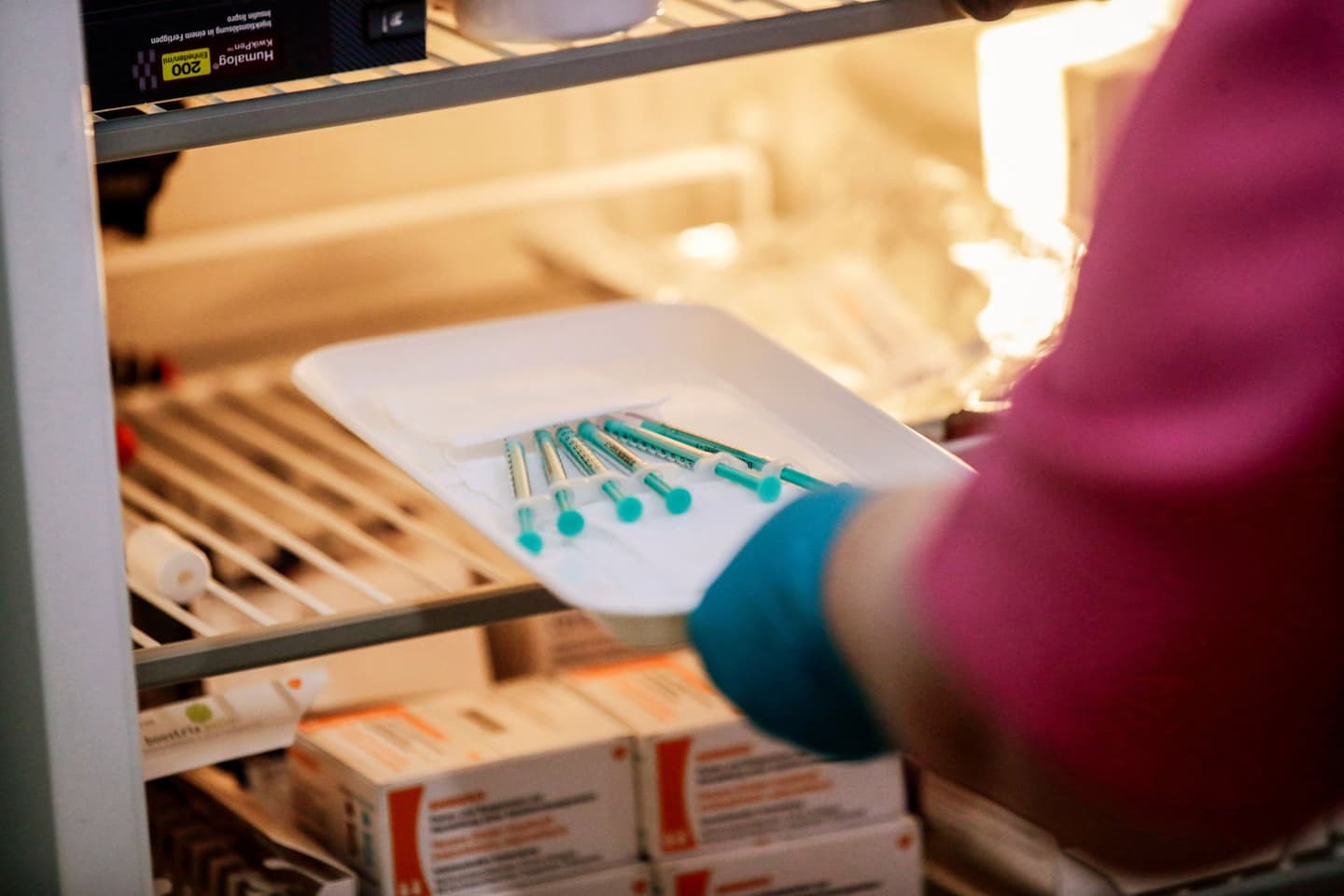
Hannibal Hanschke/Reuters
Source Analysis




What Happened
Key Implications
What Happened
Key Implications
Where Sources Agree
- arrows_inputRoom-Temperature Vaccine Safety Confirmed: Sources across outlets confirm that a phase 1 trial of 60 volunteers found a new room-temperature tetanus-diphtheria vaccine is safe, well-tolerated, and produces immune responses equivalent to conventional vaccines, according to the eClinicalMedicine publication.
- arrows_inputFridge-Free Vaccine Trial Success: Coverage confirms a new tetanus-diphtheria vaccine candidate maintained safety and immune response at room temperatures up to 30°C in a UK-based phase 1 trial, potentially addressing the cold chain failures responsible for the loss of approximately half of all vaccines globally, according to WHO estimates.
Where Sources Disagree
- arrows_outputFridge-Free Vaccine Impact: Proponents view the fridge-free vaccine technology as a game-changer for global health access. However, independent experts caution that real-world impact claims are currently premature, citing the study's small sample size, lack of long-term durability data, and the need for further testing in diverse populations.
- arrows_outputVaccine Manufacturing Transparency: While the study details the use of trehalose to stabilize the vaccine, some experts note that the paper provides limited transparency regarding the specific manufacturing processes used to achieve thermostability.
- arrows_outputTrial Participant Diversity: Researchers report the trial successfully demonstrated safety in 60 volunteers; however, experts note the study's findings are limited by a lack of participant diversity, as approximately 95% of those involved were white.
Timeline
August 5, 2026
Experts Praise But Urge Caution: Scientists and public-health experts called the study an encouraging proof-of-concept with potential to reduce cold-chain losses and improve access, while noting limitations—small, predominantly White sample, short 28-day follow-up, and need for transparency about formulation—and a larger trial of about 160 people was due to start in the coming months.
August 5, 2026
Short-term Safety and Immunogenicity Shown: The trial data showed SPVX02 was safe and produced immune responses comparable to conventional boosters at 28 days post-vaccination, and separate laboratory programmes supported claims of longer-term thermostability and resistance to freeze–thaw cycles. Reporters cautioned these findings reflect short-term immunogenicity and that longer-term effectiveness was not established.
August 5, 2026
Phase 1 Results Published: Results of the phase 1 trial were published in eClinicalMedicine on August 5, 2026, reporting on safety, tolerability and short-term immunogenicity of SPVX02 compared with two established tetanus-diphtheria booster vaccines. The manuscript is titled as a multicentre, single-blind, randomised, first-in-human phase 1 trial.
Summaries by Ground AI
Sources
See All 9Most Written About
The stories getting the most coverage from the last 24 hours







Source Analysis
Timeline
August 5, 2026
Experts Praise But Urge Caution: Scientists and public-health experts called the study an encouraging proof-of-concept with potential to reduce cold-chain losses and improve access, while noting limitations—small, predominantly White sample, short 28-day follow-up, and need for transparency about formulation—and a larger trial of about 160 people was due to start in the coming months.
August 5, 2026
Short-term Safety and Immunogenicity Shown: The trial data showed SPVX02 was safe and produced immune responses comparable to conventional boosters at 28 days post-vaccination, and separate laboratory programmes supported claims of longer-term thermostability and resistance to freeze–thaw cycles. Reporters cautioned these findings reflect short-term immunogenicity and that longer-term effectiveness was not established.
August 5, 2026
Phase 1 Results Published: Results of the phase 1 trial were published in eClinicalMedicine on August 5, 2026, reporting on safety, tolerability and short-term immunogenicity of SPVX02 compared with two established tetanus-diphtheria booster vaccines. The manuscript is titled as a multicentre, single-blind, randomised, first-in-human phase 1 trial.


