Western Europe sets new temperature record as heat waves pummel the region
Copernicus said persistent heat waves fueled wildfires, drought and thousands of excess deaths as the region set a 21.62C average for June and July.
- Western Europe recorded its hottest June-July period on record with temperatures averaging 21.62°C, surpassing the previous 2022 record, according to Copernicus.
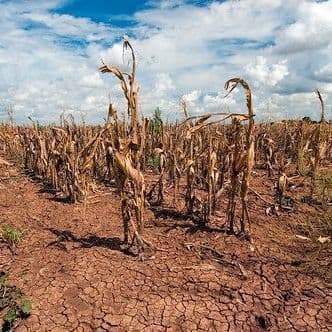
- Persistent high-pressure systems trapped heat over the region, amplifying widespread drought; soil moisture levels were "significantly lower" than in July 2022, reducing natural cooling, Copernicus added.
- River flows in the Seine, Rhine, and Danube reached record lows, impacting transport and energy production, while France and Spain battled severe wildfires during the heatwaves.
- Global ocean temperatures hit record highs in July, driven by marine heatwaves and a developing El Nino in the Pacific; Copernicus Director Carlo Buontempo said El Nino "is probably the driving force."
- Scientists expect new global average temperature records later this year or early 2027, with greenhouse gases identified as the main warming driver, Buontempo noted.
334 Articles
334 Articles

Climate crisis: Western Europe experiences its hottest summer on record
The summer of 2026 has proven to be the hottest on record in Western Europe. According to measurements by the European Union’s (EU) Copernicus Climate Change Service, June and July were the hottest since temperature records began.

What’s behind this summer’s heat, and why 2027 could be worse
This summer has been a scorcher for much of the Northern Hemisphere. June and July marked the hottest two-month stretch in Europe since record-keeping began. The contiguous US endured its hottest month on record in July. South Korea saw its highest-ever recorded temperature. The heat isn’t over yet, but some scientists are already looking ahead…


Europe swelters through record heat as drought and wildfires intensify
Western Europe has endured its hottest June-July period on record, with extreme heat, drought and wildfires gripping parts of the Northern Hemisphere. The WMO says the warming climate is making heatwaves more frequent, intense, longer and more widespread.

Coverage Details
Bias Distribution
- 44% of the sources are Center


Factuality
To view factuality data please Upgrade to Premium