US slaps new sanctions on networks aiding Iran’s proxies in Middle East
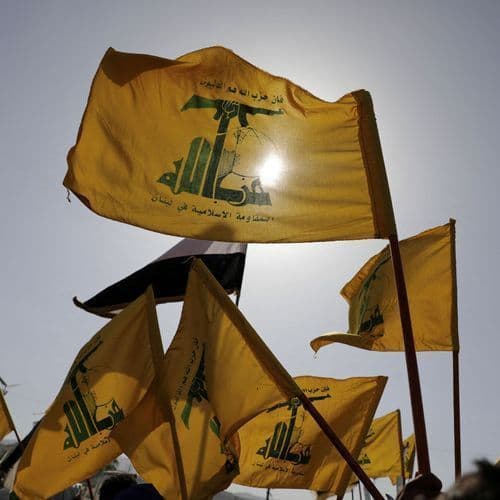
- On Thursday, the Treasury Department announced new sanctions targeting Hezbollah and Kataib Hezbollah, which Treasury Secretary Scott Bessent said aims to isolate Iran economically as part of Operation Economic Outcast.
- Operation Economic Outcast, first announced August 24, aims to cut revenues Tehran uses to fund the war and build missiles, while Treasury maintains the policy until Iran stops obstructing the Strait of Hormuz.
- Iranian oil loadings dropped to about 0.2 million barrels per day from 1.8 million in January, while the Iranian rial depreciated by about 30% against the US dollar since the war began.
- Brett Erickson, managing principal with Obsidian Risk Advisors, argued the sanctions have only "marginal impact" on Iran's hard currency movement, noting they target Hezbollah but miss the "far more consequential" Iran-aligned Houthis.
- The ongoing war threatens President Donald Trump's approval ratings and Republican Party control of Congress, as Iran-aligned Houthis seized Yemen's port of Mocha on Thursday, advancing down the Red Sea coast.
25 Articles
25 Articles

Today, Thursday, the United States Department of the Treasury announced new sanctions against entities supporting Iran's allies in the Middle East, as part of Operation Economic Disruption.


 Al Arabiya
 WTVB
WTVBUS slaps new sanctions on networks aiding Iran’s proxies in Middle East

The United States government announced on Thursday new sanctions against companies and individuals who, according to Washington, support Hezbollah and other Iran's allies in the Middle East, intensifying its campaign to isolate Tehran economically.
 The Straits Times
 KAYHAN LIFE
US slaps new sanctions on networks aiding Iran's proxies in Middle East
WASHINGTON, Sept 10 - The U.S. government announced new sanctions on Thursday against firms and individuals that it says are aiding Hezbollah and other Iranian proxies in the Middle East as it intensified its campaign to isolate Iran economically. Read more at straitstimes.com.
Coverage Details
Bias Distribution
- 57% of the sources lean Right


Factuality
To view factuality data please Upgrade to Premium