Apple Has a Way to Ease Memory Shortages But The US Government Is Denying It
Apple is weighing Chinese suppliers as a global memory shortage strains its options, while U.S. officials and senators warn of national-security risks.
7 Articles
7 Articles


Lutnick Says Trump Administration Told Apple It Opposes Buying Chinese Memory Chips
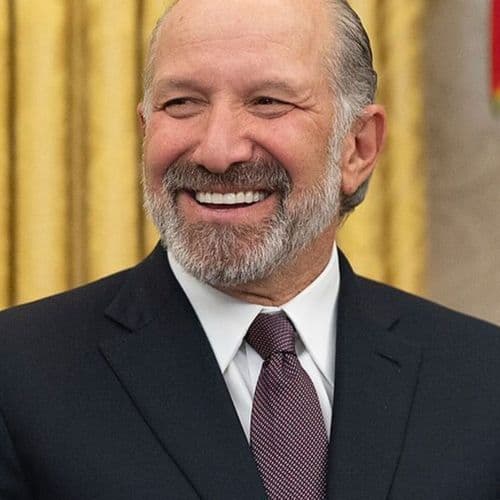
The Trump administration has directly told Apple that it opposes the company buying Chinese memory chips, Commerce Secretary Howard Lutnick said, as the technology giant considers additional supply options during a global memory shortage. “The Trump administration is not in favor of that,” Lutnick told The Wall Street Journal after visiting Apple’s manufacturing facility in Houston on Aug. 13. Asked whether he had conveyed that position to Apple…

In an interview with The Wall Street Journal, U.S. Commerce Secretary Howard Lutnick commented on…

US confounds Apple’s memory supply challenge
US Commerce Secretary Howard Lutnick is “not in favor” of Apple’s plan to alleviate the impact of rapid memory price inflation by purchasing RAM made in China for use in devices sold there. Trade by US firms with the biggest Chinese memory manufacturers, CXMT and Yangtze Memory Technologies, is restricted. Apple must secure a license before it can share product information with either firm, though it can still purchase off-the-shelf components t…

Apple is dependent on Micron and two South Korean RAM producers and would like to buy CXMT-DRAM from China. However, this gives trouble with the US government.

Trump Administration ‘Not in Favor’ of Apple Using Chinese RAM
The Wall Street Journal (gift link): To help alleviate the supply crunch, Apple is looking to Chinese manufacturers. "The Trump administration is not in favor of that," Lutnick said in an interview after touring an Apple manufacturing facility in Houston. There have to be "other solutions to the memory issue, but it's not great American companies using Chinese memory." Asked if he has relayed that message to Apple, Lutnick said "plainly." But: U…
Coverage Details
Bias Distribution
- 50% of the sources are Center, 50% of the sources lean Right


Factuality
To view factuality data please Upgrade to Premium