The Supreme Court’s cryptic mail ballot decision won’t be its last word on voting
The unsigned order leaves existing mail-ballot rules in place after states warned the changes could disrupt voting for millions of absentee voters.
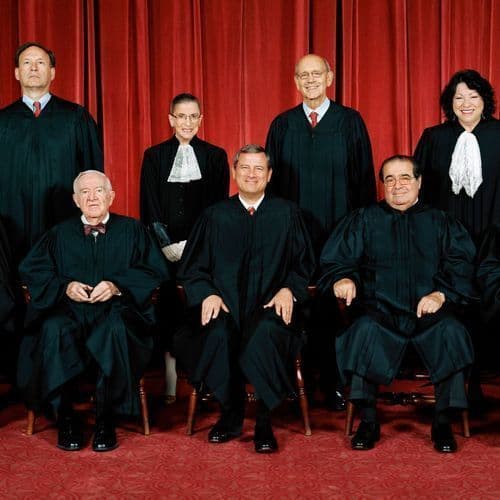
- On Monday, the United States Supreme Court ruled 7-2 against President Donald Trump's plan to require the Postal Service to verify absentee ballot eligibility before the midterms.
- Attorney General Todd Blanche stated on Tuesday that the Justice Department will continue efforts to restrict mail-in voting, citing administration aims to ensure "safe voting" and election integrity.
- The rejected proposal would have forced states to submit voter lists to the Postal Service and required new tracking barcodes, which state officials warned could cause mass disenfranchisement.
- Secretary of State Paul Pate, an Iowa Republican, praised the ruling, saying he wanted to "remove all doubt" about election procedures to prevent voter confusion.
- With midterms weeks away, legal disputes over electoral practices persist, as Justice Brett Kavanaugh suggested openness to future Postal Service involvement in ballots for the 2028 presidential cycle.
20 Articles
20 Articles


Joan Biskupic, CNN Supreme Court Analyst The recent series of Supreme Court decisions on elections offers the public very little clue as to how judges would act if they faced a crucial controversy this fall that definitively determined which party controls Congress or what can be done.

The Supreme Court’s Cryptic Mail Ballot Decision
“The Supreme Court’s recent patchwork of election-related decisions gives the public scant clues of how the justices would act if faced with a crucial dispute this fall that would definitively settle which party controls Congress or what to expect in 2028,” CNN reports. “The justices’ unsigned order Monday rejecting President Donald Trump’s plan to let […]


What the Supreme Court’s cryptic mail ballot ruling means for future elections
The Supreme Court’s recent patchwork of election-related decisions gives the public scant clues of how the justices would act if faced with a crucial dispute this fall that would definitively settle which party controls Congress or what to expect in 2028.

PRESS REVIEW. A few weeks before the crucial elections for Congress, the highest judicial body has wronged Donald Trump and his plan to restrict mail-order voting. The final point of a judicial battle and a rare setback that will date, says the American press

Coverage Details
Bias Distribution
- 72% of the sources are Center


Factuality
To view factuality data please Upgrade to Premium