This Is the Big Warning Sign in the Bond Markets. It’s Not Just a U.S. Problem.
6 Articles
6 Articles


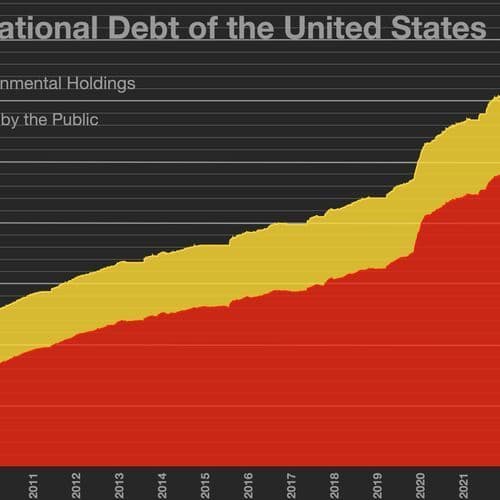
The turmoil in global bond markets has raised the question of whether a debt crisis is on the horizon. Governments and companies in OECD countries are expected to borrow approximately $29 trillion from bond markets in 2026; much of this will be for rolling over old debts. The current bond debt stock of central governments in OECD countries has reached $61 trillion. In Japan, the 10-year bond yield exceeded 3% for the first time in 30 years, whil…

The global bond market is cracking—and governments are running out of options
A dangerous storm is gathering in the world’s bond markets. Government borrowing is exploding. Fiscal deficits are becoming increasingly difficult to contain. Investors are demanding higher returns to absorb mountains of new debt. And now, renewed fighting between the United States and Iran is threatening to unleash another inflation shock through soaring energy prices. The result is a toxic combination: war, inflation, debt and rising interest …


The inflation genie could be out of the bottle — and bond markets are sounding the alarm
A sharp sell-off in global government bonds is exposing investor anxiety that the macroeconomic backdrop may be shifting toward persistently higher inflation, as governments struggle to rein in spending and sovereign debt. Pressure on yields is not just a factor of this year's rise in government…

GEOPOLITICS | Global Bond Markets Face Mounting Pressure as Debt, Inflation Fuel Investor Concerns
Global bond markets are coming under renewed pressure as rising government debt, persistent inflation, and increased borrowing by companies push yields higher and challenge investors’ appetite for long-term debt. Government bond yields have climbed sharply across major economies, with Japan’s 10-year yield reaching 3% for the first time since 1996, while U.S., British, German and French borrowing costs have also moved to multi-year or multi-dec…
Coverage Details
Bias Distribution
- 34% of the sources lean Left, 33% of the sources are Center, 33% of the sources lean Right


Factuality
To view factuality data please Upgrade to Premium