SC Uses Special Powers to Quash CJP FIRs. What's Article 142 Also Used for Babri Land?
6 Articles
6 Articles

Welcome move: On the Supreme Court and Gen Z protesters
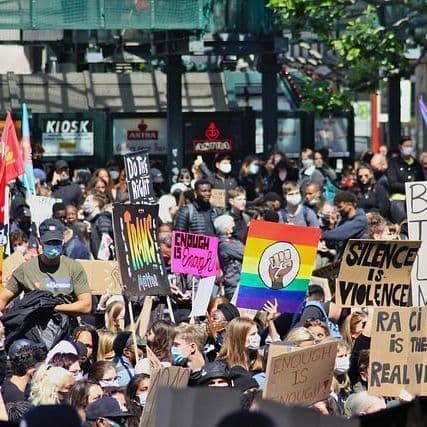
The Supreme Court’s decision to quash FIRs against CJP protesters under Article 142 has sparked a wider debate on the right to dissent and the differing treatment of protesters in India, including those involved in the farmers’ movement and anti-CAA protests.

CJP cases scrapped: What powers does Article 142 give the Supreme Court, and why is it controversial?
The Supreme Court order scrapping FIRs linked to the CJP-led exam protests puts fresh focus on Article 142, a provision legal scholars have argued over since the Constitution came into force. What is this Article and why has its use been controversial?

SC uses special powers to quash CJP FIRs. What's Article 142 also used for Babri land?
The Supreme Court invoked its exclusive special power under Article 142 of the Constitution to quash FIRs against protesters in the CJP-led NEET agitation. The same "complete justice" power was used in the Ayodhya verdict to allot land for a mosque. Here's more about how the special power works, and if it's limitless.


NEET Protests: Supreme Court ends criminal proceedings against students across India
Invoking Article 142, the Court closes cases linked to the July 20–25 student protests, bars fresh FIRs over the same incidents and directs a nationwide compensation policy for families of students who died by suicide

The Supreme Court has given a major verdict on 1 September 2026 regarding the student protests that took place in July over the issue of alleged irregularities and paper leaks in NEET-UG 2026. The Supreme Court, exercising its special powers under Article 142 of the Constitution, has ordered a hearing between 20 and 25 July 2026...
Coverage Details
Bias Distribution
- 67% of the sources lean Left


Factuality
To view factuality data please Upgrade to Premium