Published • loading... • Updated
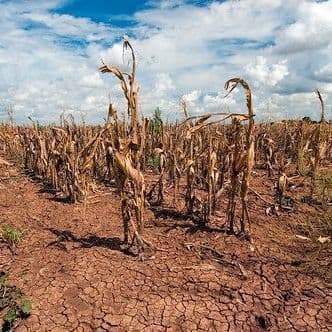
Study finds droughts change how infectious diseases spread
- A study warns that droughts change how infectious diseases spread.
- Pieter Johnson from the University of Colorado at Boulder said climate change is making droughts more variable and less predictable.
- Drought causes animals to gather around fewer water sources, affecting disease transmission.
- Understanding these changes helps forecast and prepare for disease outbreaks in a warming climate.
Insights by Ground AI
33 Articles
33 Articles

In a published study on Wednesday, August 12, researchers establish three ecological mechanisms caused by water shortage, which lead to increased spread of viruses or bacteria that cause cholera, dengue fever, sleeping sickness or West Nile fever.
·Paris, France
Read Full Article


Coverage Details
Total News Sources33
Leaning Left6Leaning Right7Center15Last UpdatedBias Distribution54% Center
Bias Distribution
- 54% of the sources are Center
54% Center
L 21%
C 54%
R 25%


Factuality
To view factuality data please Upgrade to Premium