Six Months of Conflict: How the Iran war has reshaped global markets
Oil briefly topped $120 a barrel and food prices hit a more than three-year high as the conflict disrupted energy and fertilizer shipments.
- Friday marks six months since Western powers and Israeli forces bombed Iran, triggering a conflict that disrupted global energy supplies; MSCI's world stocks index hit a $105 trillion record high this month, gaining nearly $7 trillion since the war erupted.
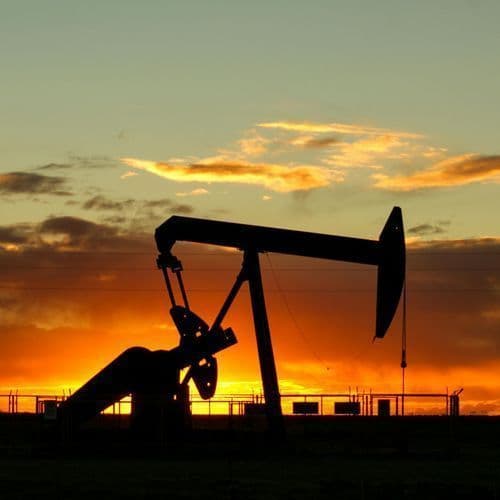
- Brent crude averages about $90 in 2026, up from roughly $70 last year and peaking at $120 in April; disruptions to Strait of Hormuz shipments coupled with risks to energy infrastructure continue fueling volatility.
- Food prices rose to a more than three-year high in July, while Qatar and UAE stocks dropped around 14%; JPMorgan estimates Dubai's property sales plummeted 70%-80% as regional economies face severe strain.
- Gold rebounded more than 15% this month amid dollar debasement concerns, while the DXY rose 1.4% since the war began; Treasuries lost 3.5% on a total return basis as higher inflation dashed rate-cut expectations.
- Fidelity analyst Pranav Aggarwal suggested investors take a "relaxed view" and expect the war to end this year; however, the Agriculture Organization warned the world could face another bout of food inflation from grain disruptions.
11 Articles
11 Articles

A war that was expected to last six weeks has now dragged on for six months. On February 28, the United States and Israel simultaneously launched Operation Epic Fury against Iran, under the pretext of halting Iranian nuclear development. On the first day, Ayatollah Ali Khamenei was assassinated, and the new Supreme Leader, Mukhta Khamenei, spoke of the Islamic Republic's resilience and the defeat of its enemies. Tehran responded with missiles an…

(Cairo=Yonhap News) Correspondent Kim Sang-hoon = As the war between the U.S., Israel, and Iran enters its sixth month, the Gulf region economy, which boasted immense wealth through energy exports...


The conflict wears down US arsenals and raises questions about Ukraine, Korea, Taiwan and global trade


Six Months of Conflict: How the Iran war has reshaped global markets
As global financial markets navigate the aftermath of recent conflicts, the mixed responses are evident. Energy prices have surged sharply, reflecting immediate fallout, while artificial intelligence investments have buoyed global equities amid geopolitical turbulence. However, the traditional appeal of safe-haven assets like Treasuries and gold appears diminished, as Gulf economies and agricultural supply chains grapple with significant disrupt…
Coverage Details
Bias Distribution
- 50% of the sources are Center


Factuality
To view factuality data please Upgrade to Premium