Published • loading... • Updated
Nobel Prize in Physics Awarded to Francis Halzen for Astronomy Breakthroughs
The award includes 12 million Swedish kronor and recognizes his work on high-energy neutrinos, which the academy called ghostly messages from space.
- On Tuesday, Oct 6, 2026, the Royal Swedish Academy of Sciences awarded the Nobel Prize in Physics to Belgian-American particle physicist Francis Halzen for "decisive contributions to the IceCube Neutrino Observatory and the discovery of high-energy neutrinos of astrophysical origin."
- Halzen's research at the IceCube, which the committee described as "ghostly messages from space," has fundamentally reshaped humanity's understanding of the universe and the nature of high-energy astrophysical phenomena.
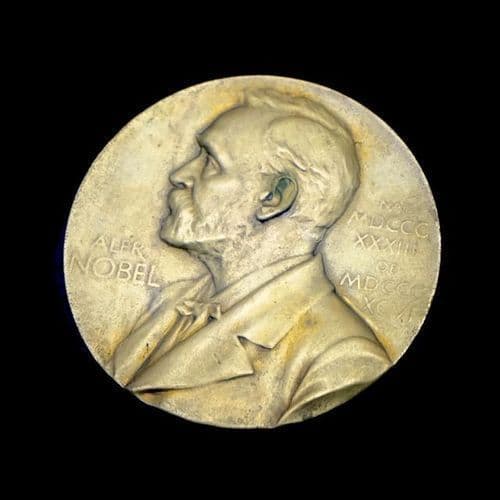
- The prize money this year is 12 million Swedish kronor, or about $1.2 million, which is shared among winners if there are several; the award was established under the will of Alfred Nobel to honor scientific achievement.
- Nobel medals will be presented by Sweden's King Carl XVI Gustaf at a ceremony in Stockholm on December 10, the anniversary of Alfred Nobel's death, followed by an elaborate banquet at Stockholm City Hall.
- This announcement follows Monday's medicine prize, with the chemistry award scheduled for Wednesday as part of the annual Nobel Prizes recognition cycle honoring global scientific and literary achievements.
Insights by Ground AI
Podcasts & Opinions
761 Articles
761 Articles


 Astronomy.com
Reposted by  tvp.info
tvp.infoFrancis Halzen wins the 2026 Nobel Prize in physics
The Royal Swedish Academy of Sciences awarded Francis Halzen, principal investigator of the IceCube Neutrino Observatory and professor of physics at the University of Wisconsin-Madison, the Nobel Prize in physics on Oct. 6, 2026. Halzen’s work on high-energy neutrinos has shaped our understanding of the universe’s mysterious and powerful natural particle accelerators. Halzen is theContinue reading "Francis Halzen wins the 2026 Nobel Prize in phy…
·Chattanooga, United States
Read Full Article
The Royal Swedish Academy of Sciences awarded the Nobel Prize in Physics to a man who made the Antarctic ice an eye for "ghost particles," promising something that Sophie didn't dream of.


Coverage Details
Total News Sources761
Leaning Left113Leaning Right80Center107Last UpdatedBias Distribution37% Left
Bias Distribution
- 37% of the sources lean Left
37% Left
L 37%
C 36%
R 27%


Factuality
To view factuality data please Upgrade to Premium