Lunar Eclipse Seen Across Region
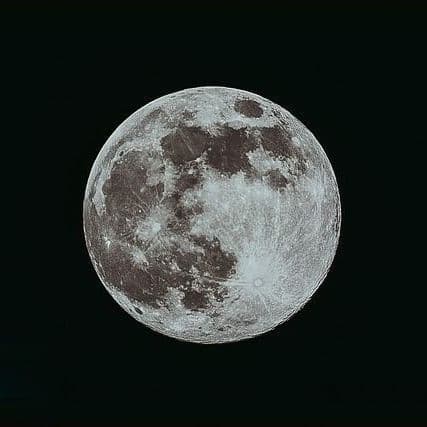
- A partial lunar eclipse occurred early Friday, Aug 28, 2026, as Earth blocked sunlight from The Moon, shrouding roughly 96 per cent of the lunar surface in a striking coppery-red glow visible across the Americas.
- Eclipses occur when The Moon, Earth, and Sun align precisely enough to mask one another; The Moon appears identical in size to the Sun due to a rare 400-times coincidence in distance and scale.
- Globally, over three billion people—roughly 44 per cent of the world's population—were positioned to view at least part of the event, with nearly one billion across North, Central, and South America enjoying complete visibility.
- This partial eclipse followed a total solar eclipse two weeks prior across Greenland, Iceland, and Spain; skywatchers from Caracas to Rome documented the event, which spanned five and a half hours in duration.
- The next total lunar eclipse arrives on New Year Eve 2028, positioning Asia and Australia for prime viewing, while skywatchers across North and South America must wait until 2029 for their next full lunar blackout.
13 Articles
13 Articles

See photos of last night's stunning partial lunar eclipse

Here are the best photos from last night’s partial lunar eclipse
The partial lunar eclipse put on a striking show over Canadian skies overnight, with the moon slipping into Earth’s shadow and taking on a warm,... The post IN PHOTOS: Stunning views of last night’s partial lunar eclipse appeared first on NOW Toronto.

A partial lunar eclipse occurred on the night of Thursday 27 to Friday 28 August. This phenomenon, giving our satellite a reddish tint, was observable on a large part of the planet. Overview of the most beautiful photos. - IN IMAGES - The enchanting photos of the partial eclipse of the moon, observed last night (Sciences).


The lunar eclipse can be seen this morning from different parts of the world, in a partial eclipse that has dyed the Moon red in America, Europe and Africa. The phenomenon, visible at different times according to the area, has left spectacular images of the Moon crossing the shadow projected by the Earth.

The astronomical phenomenon has been visible in some countries of America and Europe. Earth has come between the Sun and the Moon until part of the surface of our satellite has entered the Earth's shadow, causing the Moon to acquire a reddish tone.
Coverage Details
Bias Distribution
- 57% of the sources lean Left


Factuality
To view factuality data please Upgrade to Premium