What's Up: October 2026 Skywatching Tips From NASA
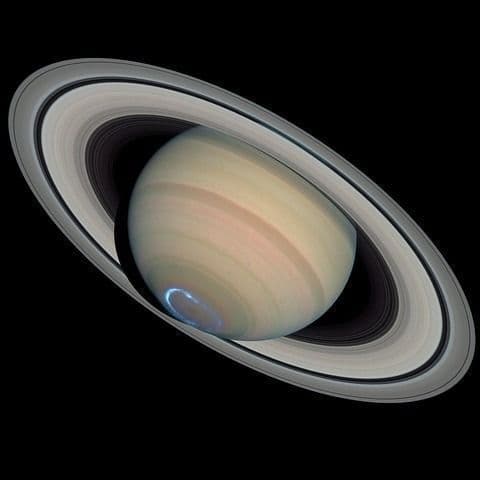
Saturn peaks at opposition, Mars crosses the Beehive Cluster and the Orionids can reach 20 meteors per hour, astronomers said.
5 Articles
5 Articles

What's Up: October 2026 Skywatching Tips from NASA
A Meteor Shower and the Moon Near the Pleiades See Saturn at opposition, catch the Orionid meteor shower, and watch the Moon pass close to the Pleiades, also known as the Seven Sisters. Skywatching Highlights Transcript Saturn takes center stage, a meteor shower lights up the sky, and the Moon visits the Seven Sisters. That’s […]

October 2026: What's in the sky this month?
Saturn reaches opposition this month, putting on a fine show. Mercury is briefly visible early in October, while Venus remains low after sunset. Neptune lingers near Saturn, and Uranus is well placed between the Pleiades and Aldebaran. Mars makes a magnificent transit of the Beehive Cluster, not to be missed. Jupiter dominates the morning skyContinue reading "October 2026: What’s in the sky this month?"

October 2026 brings Saturn's opposition on the 4th, the peak of the Orionid meteor rain and the passage of the Moon next to the Pleiades. La entrada In October 2026 he looks to the sky: Saturn in opposition and the rain of Orionid meteors reaches his peak aparece primero en Merca2.

October will have several astronomical phenomena, among them the meteor shower formed by fragments left by the famous comet Halley, Saturn in the brightest period of the year and Mercury in one of the best positions to be seen in the Southern Hemisphere. The first great spectacle will be this Sunday, October 4, when Saturn will stand in opposition. This [...]

In October, similarly to the previous month, we can witness interesting celestial phenomena - writes the Svábhegyi Csillagvizsgáló on its website. This month will see the maximum frequency of the Orionid meteor shower - which is the most spectacular meteor phenomenon of autumn - and the pre-peak of the Southern Taurids. Perhaps the most interesting phenomenon will be the transit of Mars through the middle of the Beehive cluster. It is therefore …
Coverage Details
Bias Distribution
- 100% of the sources are Center


Factuality
To view factuality data please Upgrade to Premium