Michigan health department confirms human eastern equine encephalitis case
- On Wednesday, the Michigan Department of Health and Human Services confirmed a Roscommon County resident contracted eastern equine encephalitis, marking the state's first human case since 2021.
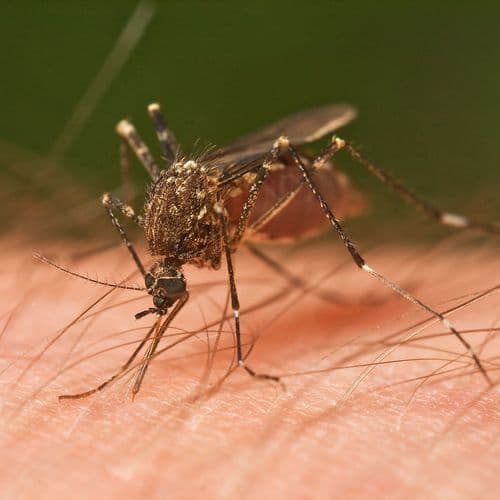
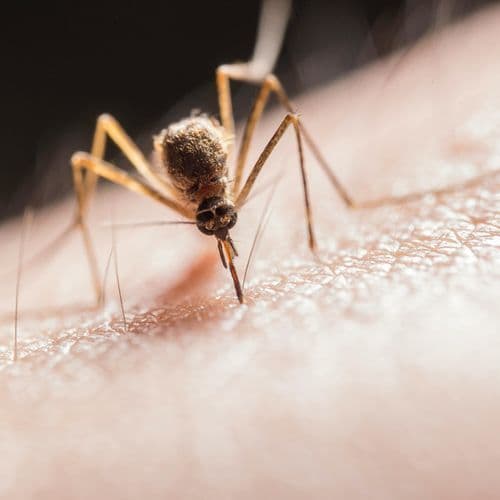
- The virus spreads to humans through infected mosquito bites; Chief Medical Executive Natasha Bagdasarian noted EEE carries a 30% fatality rate among people who become ill.
- MDHHS is conducting fresh mosquito trapping and laboratory testing in Roscommon County to determine local risk, as the state previously detected no animal EEE activity this year.
- Officials urge residents to use Environmental Protection Agency-registered repellents and wear long sleeves and pants, though repellents should not be applied to children younger than two months old.
- While only a few human cases occur annually in the United States, physicians advise monitoring for fever, headache, chills, and nausea, which may progress to seizures or coma.
18 Articles
18 Articles

Mass. officials recommend avoiding bug bites after season's first EEE mosquito detected
EEE is generally spread to humans through the bite of an infected mosquito and is a serious disease that can affect people of all ages. The post Mass. officials recommend avoiding bug bites after season’s first EEE mosquito detected appeared first on Boston.com.


Mosquito in Kingston tests positive for EEE in first case of the season
Eastern equine encephalitis, which is typically transmitted to people through bites from infected mosquitoes, is rare but can result in "serious and potentially fatal disease," officials said. No human or animal cases of EEE have been detected yet this year, the Department of Public Health said.


Michigan Records First Human Eastern Equine Encephalitis Infection Since 2021
A Roscommon County resident has contracted a verified case of eastern equine encephalitis (EEE) inside the state, the Michigan Department of Health and Human Services reported Wednesday. It marks the state’s first such human infection of the deadly disease since 2021. Health units at the state and local levels, along with the Michigan Department of Agriculture and Rural Development plus the Department of Natural Resources, continue to test mosqu…
Coverage Details
Bias Distribution
- 69% of the sources are Center


Factuality
To view factuality data please Upgrade to Premium