The August 2026 Sturgeon Moon Will Turn Coppery During a Partial Lunar Eclipse
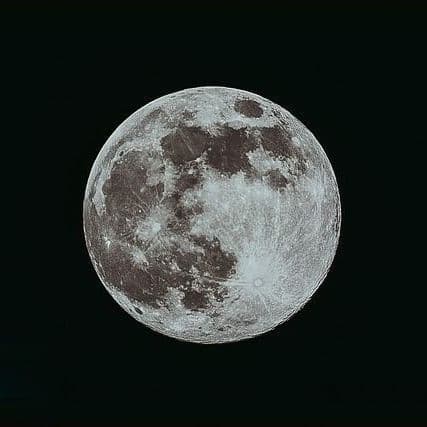
The Moon will turn copper-red as 96.3% of its disk enters Earth’s shadow, giving U.S. viewers their best lunar eclipse until 2029.
- On Thursday, August 27, a partial lunar eclipse begins at 9:23 p.m. ET, visible across the entire United States through Friday as the moon passes into Earth's shadow.
- Lunar eclipses occur only during full moons, but the moon's tilted orbit prevents them monthly; the Sturgeon Moon reaches full phase just before the eclipse begins Thursday.
- About 96 percent of the moon will enter Earth's umbra, creating an 'almost blood moon,' as sunlight filtered through Earth's atmosphere turns the shadowed portion copper-colored.
- The eclipse reaches maximum Friday, August 28 at 12:12 a.m., with East Coast and Midwest viewers seeing the full eclipse while Alaska and West Coast observers see only part.
- As 2026's final eclipse, this marks the best lunar viewing until June 26, 2029, with the next partial lunar eclipse not occurring until January 12, 2028.
15 Articles
15 Articles

This is South Africa's second eclipse-chasing morning of the year, and it's about to happen again
South Africans got one shot at chasing a lunar eclipse back in March. Now the sky is offering a second one, and this time the whole country gets a front-row seat.

Want to Know How the Lunar Eclipse Affects Your Zodiac Sign? Astrologer Aliza Kelly Reveals All
'Cause, baby, now we got bad blood. Us, to the moon at the moment. Because from the evening of Aug. 27 until the next day's early hours, we're going to experience the dark side of the moon due to...

The phenomenon will reach its peak on the night of August 27, when 96% of the Moon is covered by the shadow of the Earth and acquires a copper tone visible to the naked eye


Chandra Grahan 2026: The eclipse occurring on August 28th will be a partial lunar eclipse. The lunar eclipse will begin at 6:55 am Indian Standard Time (IST) on August 28th. The last lunar eclipse of the year will last for 5 hours and 38 seconds.

Here you can find information on the topic "Nature phenomenon at night". Read now "Clouds in the North: Where you could see the lunar eclipse".
Coverage Details
Bias Distribution
- 40% of the sources are Center


Factuality
To view factuality data please Upgrade to Premium