Deadly Israeli Strikes in Lebanon Put Peace Talks at Risk
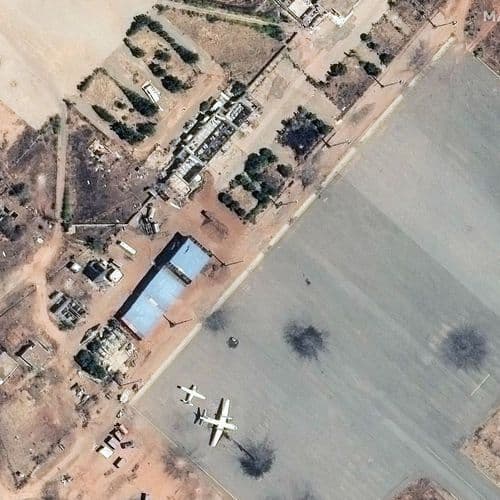
- Overnight on Saturday, the IDF struck Hezbollah infrastructure in Ansar, Southern Lebanon, following aggressive actions by Hezbollah forces toward IDF soldiers on the Ali al-Taher Ridge.
- Aggressive actions by Hezbollah forces against IDF soldiers on the Ali al-Taher Ridge prompted the retaliatory strikes as tensions persist despite ongoing IDF presence in Southern Lebanon.
- According to claims from Lebanese sources, the IDF retaliatory strikes in Ansar killed seven people, allegedly including three women and two children.
- Lebanese President Joseph Aoun condemned the strikes as a "violation of the Framework Agreement," while Lebanese Prime Minister Nawaf Salam called on Israel to "halt its military escalation."
- Negotiations between Israel and Lebanon remain in flux since the trilateral framework signed in June, leaving diplomatic relations uncertain amid ongoing military tensions.
21 Articles
21 Articles

Earlier today, the Israeli military carried out a series of airstrikes in southern Lebanon.

Lebanese President Joseph Aoun said the strikes were a "clear message" for the future of the negotiations between Israel and Lebanon, before a new round of talks scheduled for September. Hizbullah urged Beirut to end the "humiliating" negotiations with Israel since April.


Deadly Israeli strikes in Lebanon put peace talks at risk
At least 11 people, including three children, have been killed in Israeli strikes on southern Lebanon, according to Lebanon’s state news agency, in the deadliest attacks since a US-mediated peace framework was agreed in June. Israel says it targeted Hezbollah infrastructure, while Lebanese officials condemned the strikes as a threat to ongoing negotiations and the country’s sovereignty.

The Lebanese president, Joseph Aoun, has condemned the Israeli attacks of the last day that have left a balance of 11 dead in the south of the country. Hezbollah, which demands that...

Coverage Details
Bias Distribution
- 46% of the sources are Center


Factuality
To view factuality data please Upgrade to Premium