Glacier collapse may have triggered deadly Nepal flash flood, experts say
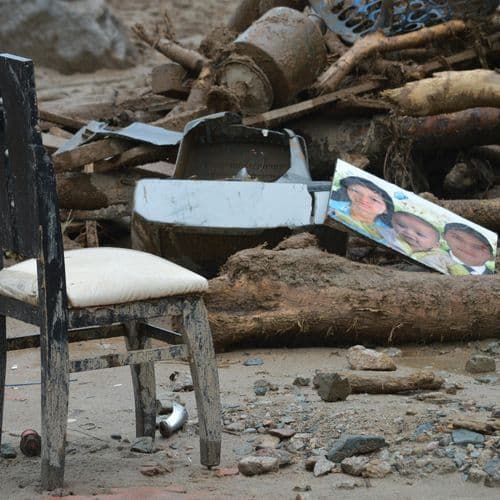
- On Wednesday, a catastrophic flash flood swept through river valleys in Nepal and the Chinese territory of Tibet, killing at least 31 people with hundreds of tourists reported missing.
- Geologists attribute the surge to an ice avalanche where a massive chunk of ice snapped off a glacier and blocked the Lhende River, causing water to accumulate before breaching downstream.
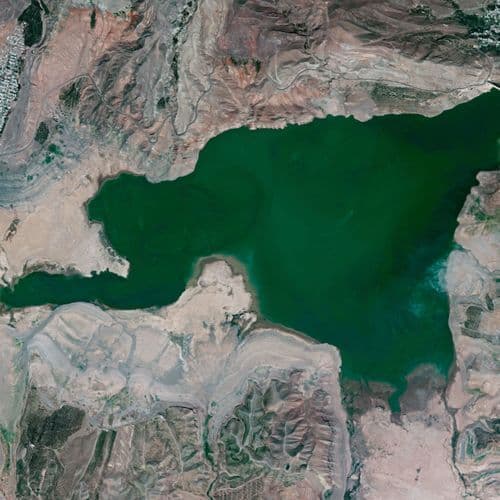
- Geologist Daniel Shugar noted satellite imagery showed the glacier break occurred about 65 kilometres north of Kathmandu, with ice falling almost 1200 metres. Scientists are investigating a 4.4 magnitude earthquake near the site.
- Nepal's Flood Forecasting Division warned that risks remain in the Bhote Koshi and Trishuli areas since the river blockage has not fully drained. Officials urged residents to stay away from rivers.
- Himalayan expert Farooq Azam said the region is "out of balance entirely" due to climate change and population pressure, echoing the 2021 Chamoli disaster that killed about 200 people.
302 Articles
302 Articles


Catastrophic Glacier Collapse Won't Be the Last
One reason authorities in Nepal were caught so off guard by this week's devastating floods and landslides: The skies were clear beforehand. "There was no rain in Nepal, so we were not expecting anything like this," explains Narendra Pariyar, chief district officer of Rasuwa, to the New York Times . As...


Satellite images help scientists pinpoint possible cause of catastrophic flooding in Nepal and Tibet Scientists have discovered a massive rock collapse beneath the Langtang Lirung glacier, which could have caused ice and boulders to fall into the valley.

How melting glaciers contributed to Himalayas flooding
The scale of the disaster in the Himalayas is becoming clearer a day after catastrophic flooding tore through parts of Nepal and Tibet. Scientists believe the disaster was likely triggered by the collapse of a glacier, unleashing a torrent of water, mud and debris that swept away entire communities. Geoff Bennett discussed more with Dan Shugar of the waterSHED Lab at the University of Calgary.
Coverage Details
Bias Distribution
- 40% of the sources lean Left


Factuality
To view factuality data please Upgrade to Premium