Published • loading... • Updated
From the Lockerbie bombing to 9/11: How attacks on flights defined US air travel
Successive hijackings and bomb plots pushed airlines to add layers of screening, cockpit protection and baggage checks, officials said.
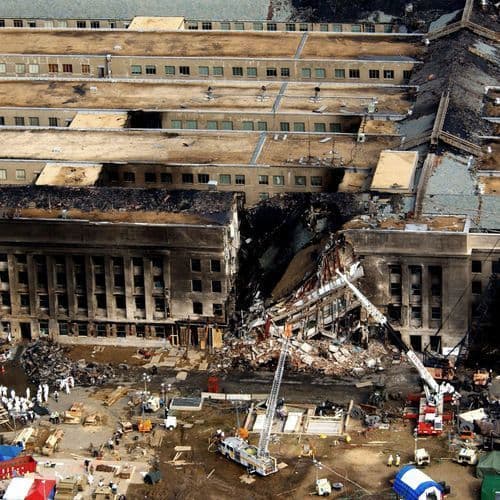
- The modern air travel security system evolved layer by layer, fundamentally reshaped by September 11, 2001, when hijackers turned four commercial airplanes into weapons, exposing vulnerabilities that drove decades of reform.
- Almost 13 years before 9/11, a bomb destroyed Pan Am Flight 103 over Lockerbie, Scotland, killing 259 people aboard and 11 on the ground. Former FAA Administrator Jane Garvey told the 9/11 Commission the attack "stimulated the most significant changes in aviation security since the early 1970s."
- Congress created the Transportation Security Administration following the 2001 attacks, federalizing passenger screening. A November 2001 law also mandated reinforced cockpit doors, more federal air marshals, and 100% screening of checked luggage for explosives.
- A 2009 incident involving Northwest Airlines Flight 253 accelerated body scanner deployment when the so-called "underwear bomber" attempted to detonate explosives. The incident prompted the "3-1-1" rule, restricting liquid containers to 3.4 ounces or less in carry-on bags.
- Security continues evolving with facial recognition technology and new retractable cockpit gates mandated last month. University of Illinois professor Sheldon Jacobson noted that while individual layers can be breached, collectively "what you end up with is a very resilient system.
Insights by Ground AI
Podcasts & Opinions
39 Articles
39 Articles


![[your]NEWS](/_next/image?url=https%3A%2F%2Fgroundnews.b-cdn.net%2Finterests%2Ffb6dc495f74049f513563c33352175eaa0ecd509.jpg%3Fwidth%3D24&w=64&q=75)
From Lockerbie to 9/11: How Terrorist Attacks Transformed Air Travel Security Forever
For millions of Americans, going through airport security is now an ordinary part of traveling. Passengers arrive with boarding passes, pass through federally operated screening checkpoints, remove or prepare certain belongings for inspection and carefully consider what they can pack in their carry-on luggage.


From the Lockerbie bombing to 9/11: How attacks on flights defined US air travel - Regional Media News
Taking a commercial flight from a U.S. airport generally requires a boarding pass to get anywhere near a gate, security screening controlled by the federal government and careful attention to the contents of carry-on bags. It wasn't always this way. Travelers once passed through security [...]
Coverage Details
Total News Sources39
Leaning Left13Leaning Right9Center15Last UpdatedBias Distribution41% Center
Bias Distribution
- 41% of the sources are Center
41% Center
L 35%
C 41%
R 24%


![[your]NEWS](/_next/image?url=https%3A%2F%2Fgroundnews.b-cdn.net%2Finterests%2Ffb6dc495f74049f513563c33352175eaa0ecd509.jpg%3Fwidth%3D60&w=128&q=75)


Factuality
To view factuality data please Upgrade to Premium