New Dionysus Cult Sites and a Satyr Relief Discovered at the 2,300-Year-Old Kurul Fortress in Turkey
 This story is only covered by news sources that have yet to be evaluated by the independent media monitoring agencies we use to assess the quality and reliability of news outlets on our platform. Learn more here.
6 Articles
6 Articles

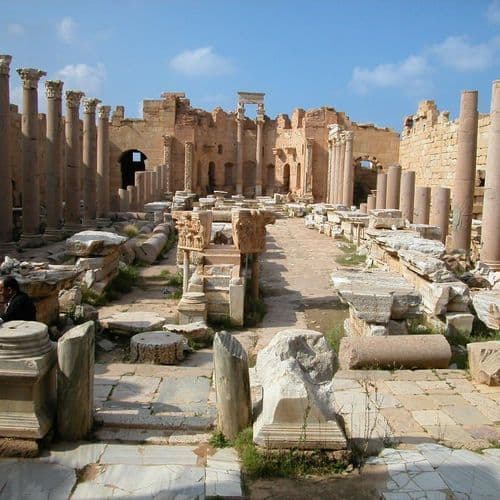
New evidence about the religious practices of the ancient Kingdom of Pontus has been brought to light by archaeological excavations at Kurul Castle, in Ordu, northern Turkey, on the Black Sea coast. In the impressive fortress, which is approximately 2,300 years old and is associated with the era of Mithridates VI, archaeologists have identified previously unknown sites related to the worship of Dionysus, the god of wine, theater and ecstasy.

Archaeological excavations at the 2,300-year-old Kurul Castle in the Altınordu district of Ordu are revealing important findings related to the ancient belief system of Anatolia. Previously, a 2,150-year-old statue of Cybele, and figures of the child Dionysus and Pan were found at the castle; however, recent work has focused on artifacts related to the Dionysus cult.

Archaeological excavations at the 2,300-year-old Kurul Castle in Altınordu district of Ordu continue to uncover the historical heritage of the region. 🚆


Archaeological excavations at Ordu Kurul Castle aim to unearth new findings related to the Dionysus cult. To date, excavation work has been completed in approximately 40% of the castle, where a statue of Cybele and various other figures have been found.

Archaeological excavations that began in 2010 at Ordu Kurul Castle are continuing under the leadership of Prof. Dr. Süleyman Yücel Şenyurt. A statue of Cybele, a child Dionysus, and a figure of Pan have been found during the excavations; this year's findings will introduce two god and goddess figures belonging to the Dionysus cult.
Coverage Details
Bias Distribution
- There is no tracked Bias information for the sources covering this story.


Factuality
To view factuality data please Upgrade to Premium