Published • loading... • Updated
EU Proposes Energy Consumption Rating for Data Centres
The labels will show energy, water and low-emission power use, with minimum performance standards due in 2027, the Commission said.
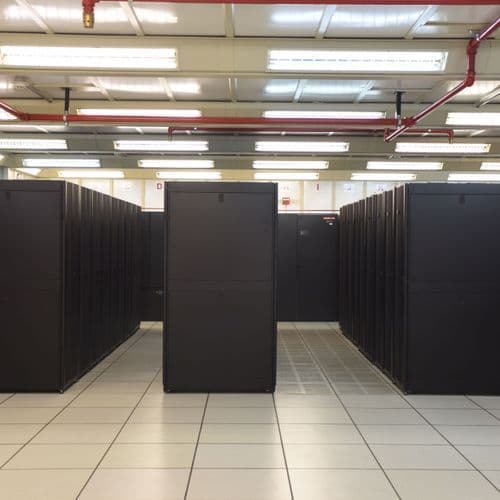
- The European Commission proposed a rating scheme for Data-centre facilities to track Energy and Water Consumption, designed to make environmental performance transparent as Europe prepares for rapid digital infrastructure expansion.
- Seeking greater technological independence, the European Union aims to triple its Data-centre capacity over the next seven years, intensifying pressure on electricity grids and Water resources as the bloc pursues AI and cloud computing dominance.
- Covering facilities with capacity above 500 kilowatts, the scheme ranks efficiency on a colored scale, rewarding operators that contribute to the grid by reusing waste heat or adding clean Energy generation.
- The Commission is pairing the rating system with a public consultation on minimum performance standards, which closes on 14 December 2026 and could extend requirements beyond disclosure to influence investment decisions.
- European Commission vice president Teresa Ribera warned, "Tripling our data centre capacity cannot mean tripling the pressure on our grids, our water and our energy bills," emphasizing efficient operations as essential for the Energy transition.
Insights by Ground AI
92 Articles
92 Articles


EU proposes common energy rating scheme for data centres
The bloc is seeking to mitigate the impact of the energy consumption necessary to its goal of tripling data centre capacity over the next five to seven years. Read more: EU proposes common energy rating scheme for data centres
·Dublin, Ireland
Read Full Article


(Brussels=Yonhap News) Correspondent Hyun Yun-kyung = The European Union (EU) announced on the 21st (local time) that it is pursuing a plan to classify the energy and water consumption of data centers within Europe...
·Seoul, Korea (the Republic of)
Read Full Article TechXplore
Reposted by  Courthouse News Service
Courthouse News ServiceEU proposes energy rating for data centers
Data centers in Europe will be rated on energy and water consumption under an EU proposal put forward Monday to pre-empt possible public discontent as the bloc pushes to boost its computing capacity.
·Douglas, United Kingdom
Read Full ArticleCoverage Details
Total News Sources92
Leaning Left10Leaning Right5Center14Last UpdatedBias Distribution48% Center
Bias Distribution
- 48% of the sources are Center
48% Center
L 35%
C 48%
R 17%


Factuality
To view factuality data please Upgrade to Premium