Britain Sometimes Has so Much 'Free' Electricity It Pays Wind Farms to Switch Off
The report says time-varying tariffs could lower bills and notes balancing costs are projected to double to £7 billion by the end of the decade.
- A new report from the Institute for Fiscal Studies and London School of Economics suggests making time-varying electricity tariffs the default household deal, potentially helping consumers lower bills by aligning usage with cheaper production times.
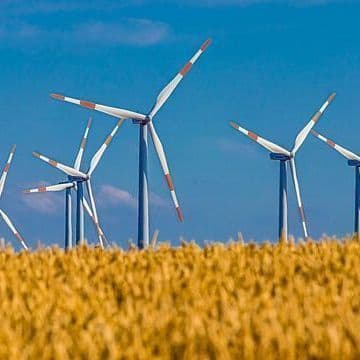
- Researchers found generating costs fluctuate "a lot" depending on timing and location; Scotland's abundant wind often makes power "effectively free," while England relies on expensive gas generators during peak demand.
- Balancing electricity supply and demand costs are projected to double to £7 billion by the decade's end. Bobbie Upton, research economist at the IFS and co-author, noted savings could increase significantly as households adopt electric vehicles and automatic consumption-shifting technology.
- The report concludes a "more balanced" strategy toward net zero—relying less on rapid electricity decarbonization—would lower total costs. It suggests higher subsidies for electric heat pumps in low-cost generation areas to incentivize efficient energy use.
- High electricity costs persist, with analysts predicting a 24% price hike in January. As consumers ask "Why are bills UP £300 when they were meant to be DOWN £300?", experts warn these elevated prices may remain for many years.
20 Articles
20 Articles

Your electricity bill could fall if this major tariff change becomes the default
Households could pay less for electricity if tariffs automatically reflected when power is cheapest to produce, with researchers saying electric vehicle owners and homes able to shift energy use could benefit most.


Britons could face short-term electricity price shock thanks to Labour's decarbonisation drive
Labour’s drive to decarbonise the power grid by 2030 risks pushing up the price of electricity in the short term, a think tank has warned. This, in turn, could slow down the decarbonisation of other sectors, which rely on electricity to go green, the Institute for Fiscal Studies said.Under its Clean Power 2030 plan, the Government aims to have 95 per cent of electricity produced by clean sources by the end of the decade.But a new report from the…
 Evening Standard

Household electricity bills could fall if time-varying prices promoted – report
The costs of producing electricity vary ‘a lot’ over time and place, but most consumers do not face prices that reflect this, a study says.
 The Independent
 The Independent (US)
Energy bills could fall if households use electricity at the cheaper times
The study highlights alternative ways to align customer charges with generation costs, including shifting standard domestic tariffs onto a time-varying footing by default
Coverage Details
Bias Distribution
- 67% of the sources are Center


Factuality
To view factuality data please Upgrade to Premium