The Most Important Election in Brazilian History
13 Articles
13 Articles

Brazil is going to a decisive general election this Sunday, marked again by an extreme polarization between petism and Bolsarism, which will define the course of the largest South American power until 2030. With the polls reflecting a technical tie and after weeks of great political tension, more than 150 million voters are called to choose between two diametrically opposed visions of the country: the re-election for a fourth government of lefti…
 El Periódico


A total of 158,745,463 Brazilians come to the polls this Sunday to decide the name of the president that will assume on January 1. The political reach of the contest crosses the borders of the South American giant. Its result can be a brake on the offensive of Donald Trump in Latin America or the regional subordination to the Republican billionaire. The elections have a certain flavor to repeat what happened four years earlier, when Luiz Inácio …

The Most Important Election in Brazilian History
We usually say that in general elections, we’re choosing a president, governors and lawmakers for the next four years. That much seems obvious. But in this election, with the first round on October 4 and the runoff on October 25, we’re not just choosing who governs. We’re choosing the country’s future for decades to come. [...]

On Sunday (4), more than 150 million Brazilians are expected to attend the polls to choose who will rule the country for the next four years. Read more (10/02/2026

The Brazilian general elections are approaching the decisive phase and their outcome could also have significant consequences on the financial markets. The competition between Luiz Inácio Lula da Silva and Flávio Bolsonaro has become more uncertain than a few months ago, while the Banco Master scandal has helped to change the political framework and... Read more

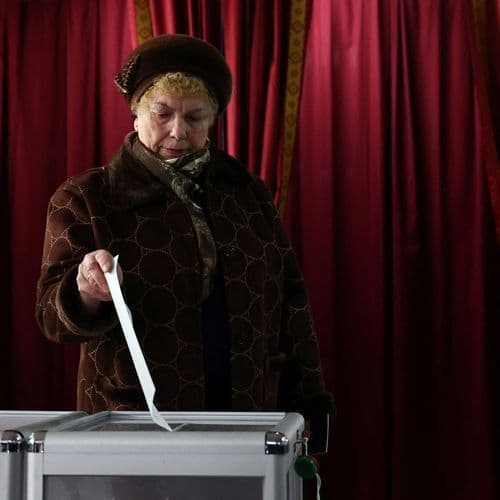
More than 158 million voters are called to the polls this Sunday to elect the next president of Brazil and renew part of the Congress
Coverage Details
Bias Distribution
- 34% of the sources lean Left, 33% of the sources are Center, 33% of the sources lean Right


Factuality
To view factuality data please Upgrade to Premium