Published • loading... • Updated
Covert U.S. Effort Led to Canada’s Acceptance of Dubious Postwar Immigrants: Study
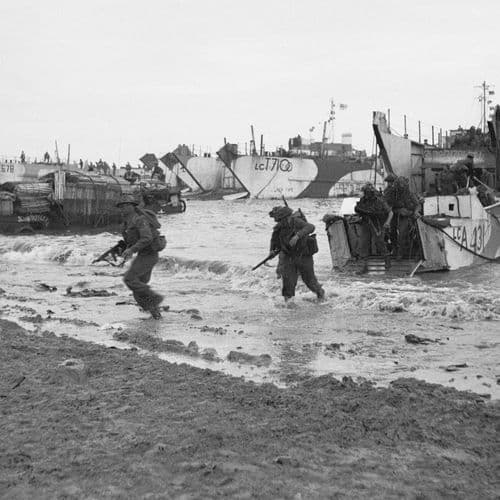
The newly released passages say a covert U.S. program brought at least 35 people with suspect backgrounds to Canada after World War II.
- Newly released passages of a landmark 1986 study by researcher Alti Rodal reveal that at least 35 individuals with suspect backgrounds entered Canada after the Second World War through a covert U.S. intelligence program.
- Commissioned for a Canadian inquiry on war criminals led by Jules Deschenes, the study remained concealed for decades until B'nai Brith Canada successfully campaigned for its public release.
- The Federal Court ordered the disclosure of long-concealed portions last month, and The Canadian Heritage Department did not appeal the decision, allowing Library and Archives to provide the public version.
- Simon Wolle, Brith Canada's chief executive officer, called the disclosure a "historic outcome," noting it provides essential information to historians, survivors of the Holocaust, and their descendants.
- The study sheds light on covert processes used to bring alleged Nazi war criminals into Canada, offering insight into Cold War-era resettlement that shaped postwar immigration policy.
Insights by Ground AI
15 Articles
15 Articles
 meadowlakeNOW
+4 Reposted by 4 other sources


Covert U.S. effort led to Canada’s acceptance of dubious postwar immigrants: study
OTTAWA — Newly released passages of a landmark 1986 study say at least 35 people with apparently suspect backgrounds came to Canada after the Second World War through a covert program set up by U.S. intelligence agencies. The previously secret details ...
 Winnipeg Free Press
+9 Reposted by 9 other sources


Covert U.S. effort led to Canada's acceptance of dubious postwar immigrants: study
OTTAWA - Newly released passages of a landmark 1986 study say at least 35 people with apparently suspect backgrounds came to Canada after the Second World War through a covert program set up by U.S. intelligence agencies.
·Winnipeg, Canada
Read Full ArticleCoverage Details
Total News Sources15
Leaning Left8Leaning Right0Center6Last UpdatedBias Distribution57% Left
Bias Distribution
- 57% of the sources lean Left
57% Left
L 57%
C 43%


Factuality
To view factuality data please Upgrade to Premium