HOAs Are Often Barriers to Sustainable Landscaping and Solar Energy – Here’s How They Could Be Bridges Instead
Researchers found 3 of 4 associations required minimum home sizes or lawn rules, while fewer than 1 in 20 required native plants.
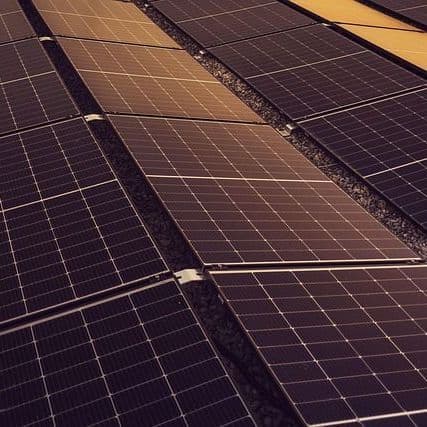
- A recent research analysis of 31 homeowner associations in Ingham County, Michigan, reveals that these private organizations frequently impede residential sustainability by mandating turfgrass and restricting solar panels.
- Researchers found that while 71% and 81% of HOAs impose minimum home sizes, only 3% require native plants, and one-third limit household energy production such as solar panels or wind turbines.
- A second study in Madison, Wisconsin, demonstrates the impact of these rules: yards subject to native-plant requirements averaged 29.5% native cover, compared with 6.9% where associations imposed no such mandates.
- Increasingly, states like California, Arizona, and Maryland are intervening to limit HOA authority, preventing associations from banning solar panels, drought-resistant landscaping, and native plants.
- Future neighborhoods could treat environmental sustainability as the default rather than an aspiration with obstacles, as developers and city planners work with HOAs to shift from barriers to sustainable-futures partners.
37 Articles
37 Articles
 Nevada Current
 ussanews.com
HOAs are often barriers to sustainable landscaping and solar energy. They could be bridges instead.
(Getty Images) If you build a house in the United States today, there’s a good chance you’ll be living under the dictates of a neighborhood homeowners association – roughly two out of every three new homes are in an HOA, as are a third of existing homes. Some of these HOAs have evolved to encourage environmentally friendly yards, particularly in the desert Southwest, but many more throw up barriers to sustainability, even in communities where wa…


HOAs are often barriers to sustainable landscaping and solar energy. Here's how they could be bridges instead
If you build a house in the United States today, there's a good chance you'll be living under the dictates of a neighborhood homeowners association—roughly two out of every three new homes are in an HOA, as are a third of existing homes.
 The Conversation


HOAs are often barriers to sustainable landscaping and solar energy – here’s how they could be bridges instead
Many HOAs are designed with a uniform look, often featuring mandatory turfgrass lawns. JamesBrey/E+ via Getty ImagesIf you build a house in the United States today, there’s a good chance you’ll be living under the dictates of a neighborhood homeowners association – roughly two out of every three new homes are in an HOA, as are a third of existing homes. Some of these HOAs have evolved to encourage environmentally friendly yards, particularly in …

Coverage Details
Bias Distribution
- 58% of the sources are Center


Factuality
To view factuality data please Upgrade to Premium