Morocco: Ceuta and Melilla - How the Colonial Legacies of These Cities Have Shaped Migration in the Region
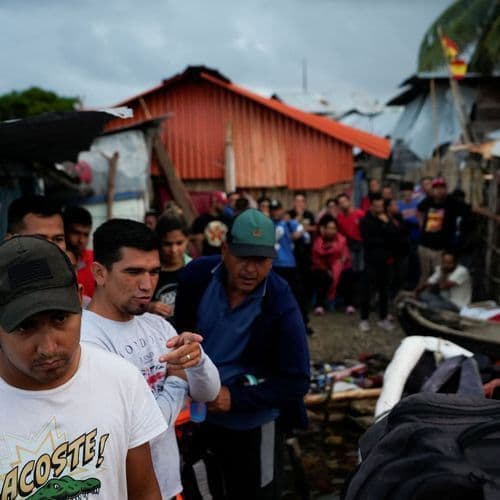
Spanish police and soldiers escorted migrants back to the border after thousands crossed into Ceuta, as officials linked the surge to a court ruling and migration pressure.
- Around 60,000 migrants entered the Spanish enclave of Ceuta from Morocco over two days, forcing Spanish authorities to restore control with Moroccan cooperation as the surge exposed Europe's only land borders with Africa.
- A July Spanish Supreme Court ruling on the "hot return" procedure fueled the surge when migrants misinterpreted the decision as limiting immediate expulsions, though the judgment applied only to sea crossings.
- At least 141 people died during the crisis, and Spanish Prime Minister Pedro Sanchez described the crossings as "a violation of Spain's territorial sovereignty," while most migrants voluntarily returned to Morocco.
- The incident tested the European Union's newly applied Pact on Migration and Asylum, which the EU commission stated is "firm and fair," introducing standardized screening and return procedures for irregular arrivals.
- Ceuta and Melilla remain focal points for migration and diplomatic tensions, as both cities serve as the only land borders between the European Union and Africa where sovereignty disputes continue to influence Spain-Morocco relations.
23 Articles
23 Articles

Ceuta and Melilla: Europe's most fortified border also serves as a Jewish religious boundary
DIASPORA AFFAIRS: Spain’s Ceuta and Melilla have become the center of a migration crisis, reviving geopolitical tensions while highlighting a crossroads of Jewish history and culture.

Morocco: Ceuta and Melilla - How the Colonial Legacies of These Cities Have Shaped Migration in the Region
Analysis - Ceuta, a small Spanish enclave on the Moroccan mainland, was unprepared for the arrival of more than 70,000 undocumented migrants on July 30. They arrived mostly by sea, from Morocco via the Tarajal breakwaters and its shoreline.


Approximately 72,000 migrants entered the Spanish enclave on the North African coast, thus reaching the territory of the European Union. About 70,000 subsequently returned to Morocco, either voluntarily or after being expelled. At the same time, Pedro Sánchez's government processed 1.17 million applications from migrants already living illegally in Spain and granted over 609,000 temporary work permits to applicants during the examination of thei…

The communities of the Peninsula have been hosting children and adolescents since the adoption of the regulation in August 2025.
Coverage Details
Bias Distribution
- 43% of the sources lean Left


Factuality
To view factuality data please Upgrade to Premium