Asteroid Apophis will fly just 32,000 kilometres from Earth in April 2029, and Nasa says the encounter could reshape its surface
9 Articles
9 Articles

The 99942 Apophis asteroid, identified by astronomers as a remnant of the beginning of the Solar System, is preparing for a historic encounter with our planet. Scheduled for April 13, 2029, the celestial body will make a passage near Earth, at a distance of approximately 32,000 kilometers. According to NASA official data, this approach will be an unprecedented event in the history of mankind, since an object with such dimensions has never before…

Apophis or asteroid God of Chaos has fascinated thousands of astronomers around the world and the general public by the closeness it will have with Planet Earth.

Earth Is Getting a Front-Row Seat to One of the Rarest Asteroid Flybys Ever
In April 2029, a potentially dangerous asteroid the size of a skyscraper will fly by Earth, sailing closer to us than even some of our own satellites. It’s going to be one heck of a spectacle for those of us on the ground. According to Live Science, Asteroid 99942 Apophis isn’t expected to hit Earth. […] The post Earth Is Getting a Front-Row Seat to One of the Rarest Asteroid Flybys Ever appeared first on VICE.

In April 2029, the 99942 Apophis asteroid, a piece of space rock about 370 meters long, will pass very close to Earth, less than 32,000 kilometers away, reports Science Alert. Paradoxally, space rock could be affected by this interaction and not Earth.

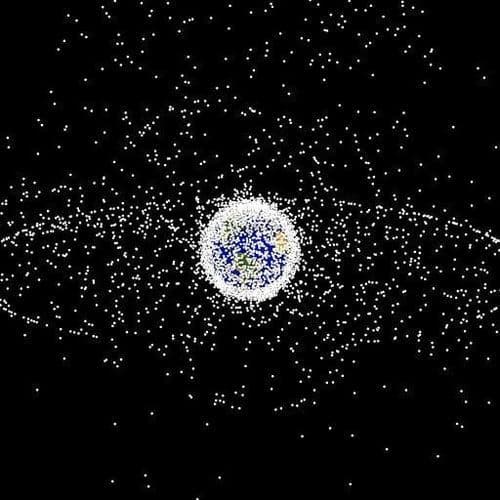
The real threat to Apophis' passage is not an impact on us, but the human garbage that floats in high orbit.

Asteroid Apophis will fly just 32,000 kilometres from Earth in April 2029, and Nasa says the encounter could reshape its surface
In 2029, asteroid Apophis is set to make a close approach to Earth, presenting scientists with an exceptional chance for observation. NASA's OSIRIS-APEX spacecraft will investigate how this encounter influences Apophis's gravitational dynamics and trajectory. The event is expected to cause significant changes in the asteroid’s orbit and spin, providing valuable insights into the behavior of other S-type asteroids that may pose risks to our plane…
Coverage Details
Bias Distribution
- 66% of the sources lean Right


Factuality
To view factuality data please Upgrade to Premium