Published • loading... • Updated
WestJet Said It Has Not Seen Any in-Service Events Related to Software Under FAA Review
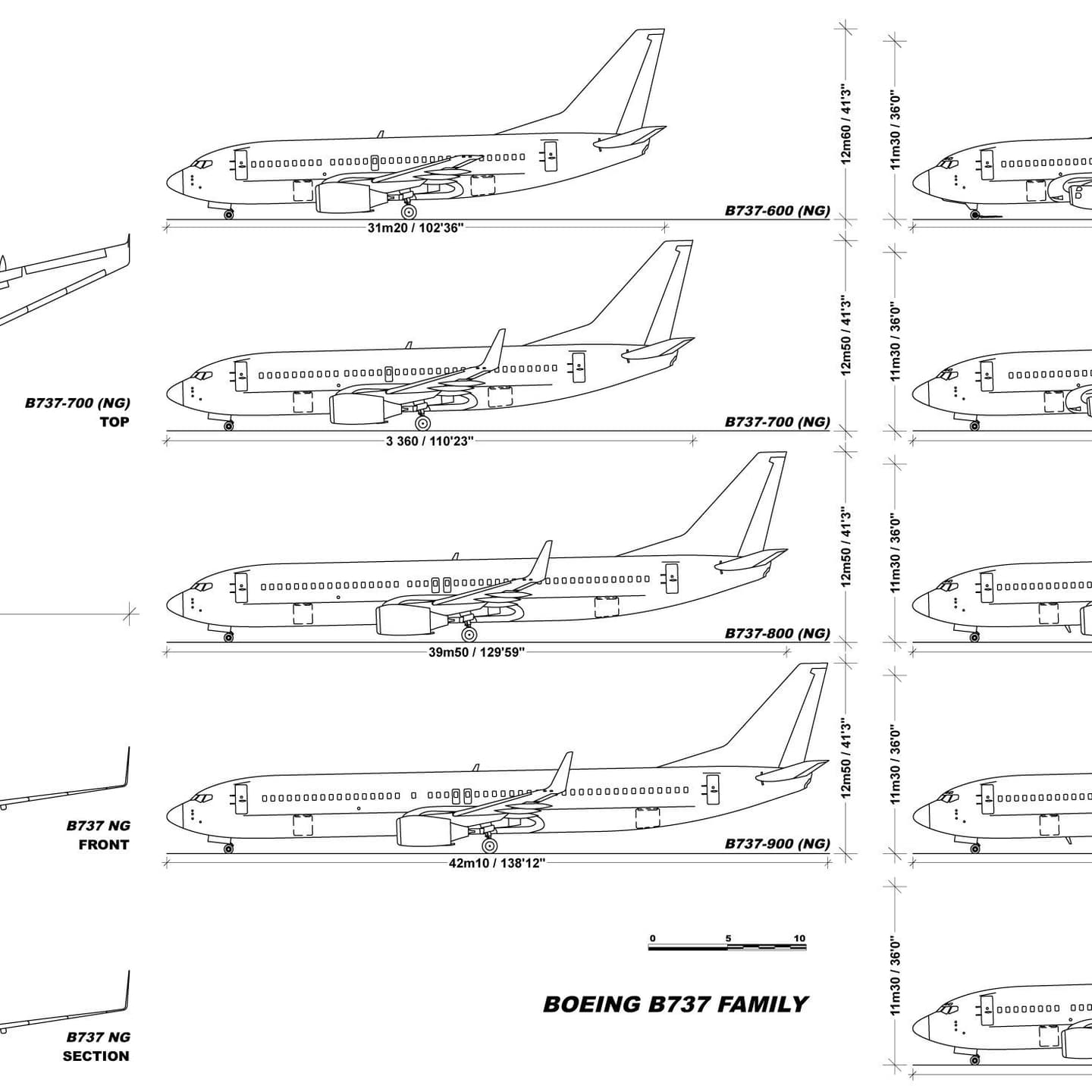
- On Saturday, the Federal Aviation Administration issued an airworthiness directive requiring Boeing 737 Max operators to conduct inspections for potential fuselage cracks, citing structural design susceptibility.
- Amid intense regulatory scrutiny in recent years, Boeing faced safety challenges including two fatal 737 MAX crashes in 2018 and 2019 and a mid-air cabin panel blowout on a nearly new Alaska Airlines MAX 9.
- The directive impacts approximately 471 planes currently in service, targeting a component known as the bear strap that supports the fuselage around exit doors. Inspections follow protocols established for earlier Boeing 737 Next Generation models.
- Boeing representatives stated the company is collaborating with airlines and regulators on the matter, noting that the inspection regimen provides multiple opportunities to identify and address problems before cracks reach critical dimensions.
- Separately, Boeing identified a previously undisclosed 737 MAX software glitch that could affect automated navigation during landing, adding to mounting safety concerns. The Federal Aviation Administration is working closely with the manufacturer on the issue.
Insights by Ground AI
33 Articles
33 Articles


The certification of the largest version of the Boeing 737 MAX, the MAX 10, is being delayed due to software problems, the head of the US Federal Aviation Administration (FAA) announced.
·Budapest, Hungary
Read Full Article
WestJet said it has not seen any in-service events related to software under FAA review
Sept 28 (Reuters) - Canadian carrier WestJet said on Monday it has not experienced any in-service events related to a potential issue with the software it uses on its Boeing 737 MAX jets that is under review by the U.S. Federal Aviation Adminis...

The action of the aeronautical manufacturer Boeing fell by more than 5% on Monday at the New York Stock Exchange due to a defect in a new version of software, which could cause failures in the navigation system.
·Montreal, Canada
Read Full ArticleCoverage Details
Total News Sources33
Leaning Left4Leaning Right5Center9Last UpdatedBias Distribution50% Center
Bias Distribution
- 50% of the sources are Center
50% Center
L 22%
C 50%
R 28%


Factuality
To view factuality data please Upgrade to Premium