Amylin Obesity Drug from Zealand Pharma Succeeds at Phase II
The amylin-based obesity drug caused fewer gastrointestinal side effects than GLP-1 therapies, and 34% to 56% of patients lost at least 10% of body weight.
5 Articles
5 Articles

Petrelintide produces double-digit weight loss with fewer side effects
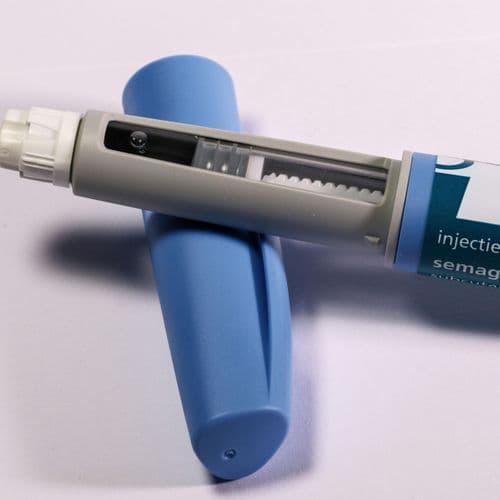
New research to be presented at the Annual Meeting of The European Association for the Study of Diabetes (EASD) in Milan, Italy (Sept 28 – Oct 2) and published in The Lancet Diabetes & Endocrinology shows that weekly injections with the new amylin-based obesity drug petrelintide can enable those treated to lose more than 10% of their body weight – generally lower than existing incretin-based (GLP-1 RA) drugs, but also with far fewer side effects.

At the 62nd European Diabetes Association meeting held in Milan, Italy, research results on next-generation obesity treatments, including Retatrutide which achieved a weight loss effect of over 20% and Petrelintide which minimized side effects, were successively announced and are attracting market attention.


expert reaction to trial of new amylin-based weight-loss drug petrelintide, noting fewer side effects than GLP-1-based drugs
Scientist comment on the trial of a new amylin-based weight-loss drug petrelintide, noting fewer side effects than GLP-1-based drugs, as published in The Lancet Diabetes & Endocrinology. Dr Marie Spreckley, Research Programme Manager, Prevention of Diabetes and Related Metabolic Disorders in High Risk Groups, University of Cambridge, said: “In this trial, 485 people received at least one dose of petrelintide or placebo, and everyone received l…

Coverage Details
Bias Distribution
- 67% of the sources are Center


Factuality
To view factuality data please Upgrade to Premium