Cave Fossils in China Reveal Lives of Mysterious Human Relatives
The find includes four teeth, two skull fragments and 60,000 animal bones, offering new clues to Denisovan anatomy and diet.
8 Articles
8 Articles

Cave fossils in China reveal lives of mysterious human relatives
By Katie Hunt, CNN (CNN) — Archaeologists excavating a cave in southwestern China have unearthed fossilized remains that belonged to an enigmatic population of extinct hominins, revealing new details about their long-lost way of life.The new haul — which includes four teeth, part of an arm bone and two skull fragments — brings the total


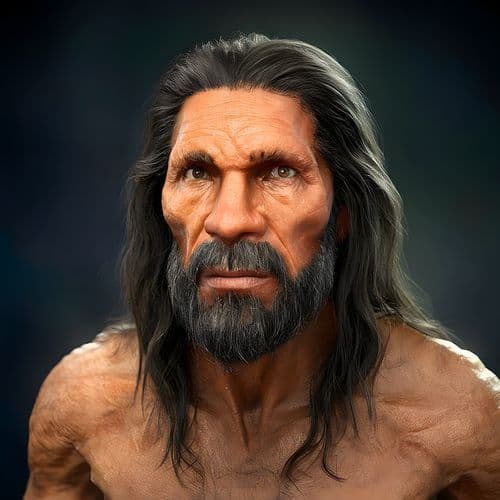
Denisovans, an ancient human race that coexisted with Neanderthals and modern humans, were first revealed to exist through genetic information (DNA). Only a very small number of actual remains have been discovered, and there were almost no traces showing what the torso, particularly below the head, looked like. Recently, not only were new Denisovan remains excavated in southwestern China,

Enigmatic Denisovans lived by cave in what is now China for 100,000 years, rare fossils and handcrafted tools reveal
Anthropologists have discovered the first-ever Denisovan arm bone in a cave in southwest China, which also held thousands of prehistoric animal bones and stone tools.

The Chinese field of Bianfu provides one of the largest sets of remains of this group of extinct humans outside Siberia, where they were discovered in 2008. Fossils and tools found in China cover a key void in its expansion through Asia. Read

Found in a cave in China seven human remains and 1,300 tools of the species that lived with Neanderthals
Coverage Details
Bias Distribution
- 57% of the sources lean Left


Factuality
To view factuality data please Upgrade to Premium