Published • loading... • Updated
US imposes sanctions on ICC hours after former judge wins Nobel Peace Prize
The sanctions could restrict banking, insurance and software services for the court, and the Treasury issued temporary licenses to protect U.S. interests.
- On Friday, President Donald Trump's administration imposed sanctions on the International Criminal Court, banning transactions and threatening penalties for companies that serve the tribunal.
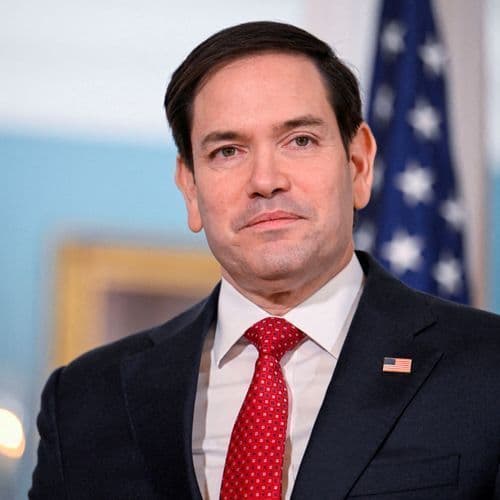
- Secretary of State Marco Rubio stated the United States is sanctioning the "rogue court" to prevent prosecution of Americans and demanded allies "rein in the court."
- To maintain operations, court officials shifted banking and computer systems to prepare for sanctions, while the ICC counts 125 countries as member states.
- Deputy Prosecutor Nazhat Shameem Khan told Reuters the sanctions "must be condemned," arguing they are "intended to undermine the rule of law."
- Nobel Peace Prize winner Navi Pillay, a South African jurist, served on the ICC's Appeals Chamber from 2003 to 2008 for her work in international criminal justice.
Insights by Ground AI
306 Articles
306 Articles


It calls on countries whose defense "depends on the U.S. military" to "stop" the high court. The ICC denounces an "attempt to obstruct the course of justice" and assures that "history will judge this moment."
·Las Condes, Chile
Read Full Article

ANALYSIS - Europeans stand at the foot of the wall to protect the Hague institution, supported by 125 states, which the United States intends to "dismantle brick by brick". The Court denounces an "attack against the rule of law".
·Paris, France
Read Full Article
U.S. hits International Criminal Court with sweeping sanctions, hours after former judge wins Nobel Peace Prize
The Trump administration has imposed sweeping new sanctions on the International Criminal Court as part of its campaign to dismantle the tribunal over investigations into the United States and its allies, including Israel.
·New York, United States
Read Full ArticleCoverage Details
Total News Sources306
Leaning Left49Leaning Right48Center47Last UpdatedBias Distribution34% Left
Bias Distribution
- 34% of the sources lean Left
34% Left
L 34%
C 33%
R 33%


Factuality
To view factuality data please Upgrade to Premium